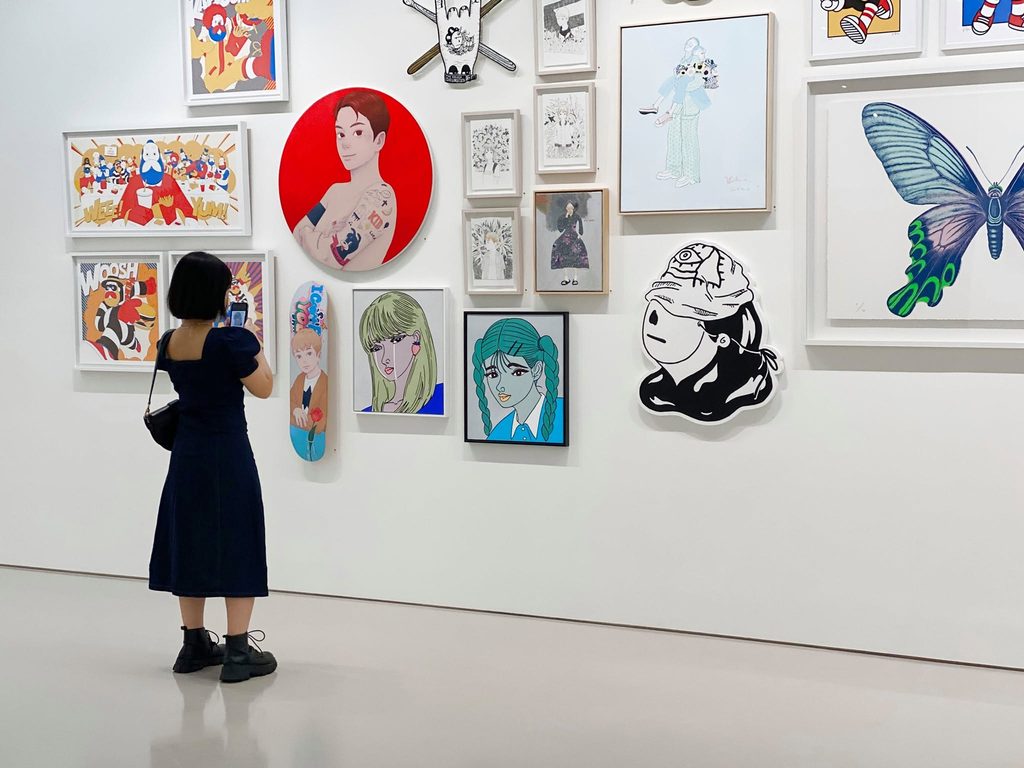
展覽日期|2021年8月7日—9月4日
展覽地點|誠品畫廊 (誠品生活松菸店)
策展人|趙琍、賴盈成、顔寧志
藝術家|GRAFFLEX、U-die、牛木匡憲、王宗欣、卡沃、低級失誤、李承道、李奕諠、松浦浩之、林俊良、花臂老王、洪添賢、桑拿大可、堀越達人、張育嘉、張嘉穎、陳純虹、陳普、塗鴉阿諾、葉長青、鄒駿昇、廖堉安、劉正堃、鬍子大叔、蘇志成。
文/顏寧志
我們或許很難確切指出,動漫文化是從什麼時候開始改變我們觀看世界的方式。那些曾經存在於電視螢幕、漫畫書頁與電子遊戲中的角色、色彩、場景和故事,在不知不覺間逐漸離開原有的媒介,進入日常生活,也進入藝術家的創作之中。它們成為某種熟悉的視覺記憶,影響我們對身體、情感、時間與現實的想像。當這些影像不再只是被觀看的對象,而開始成為我們理解世界的方法,動漫文化所產生的影響,便已經超越了娛樂產業自身的範疇。
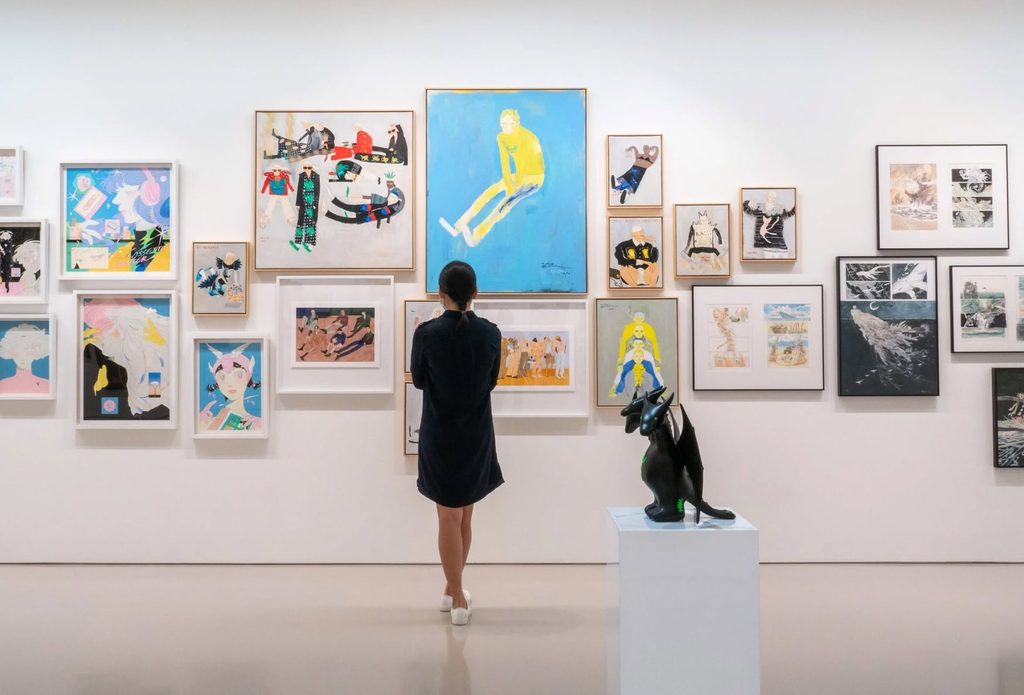
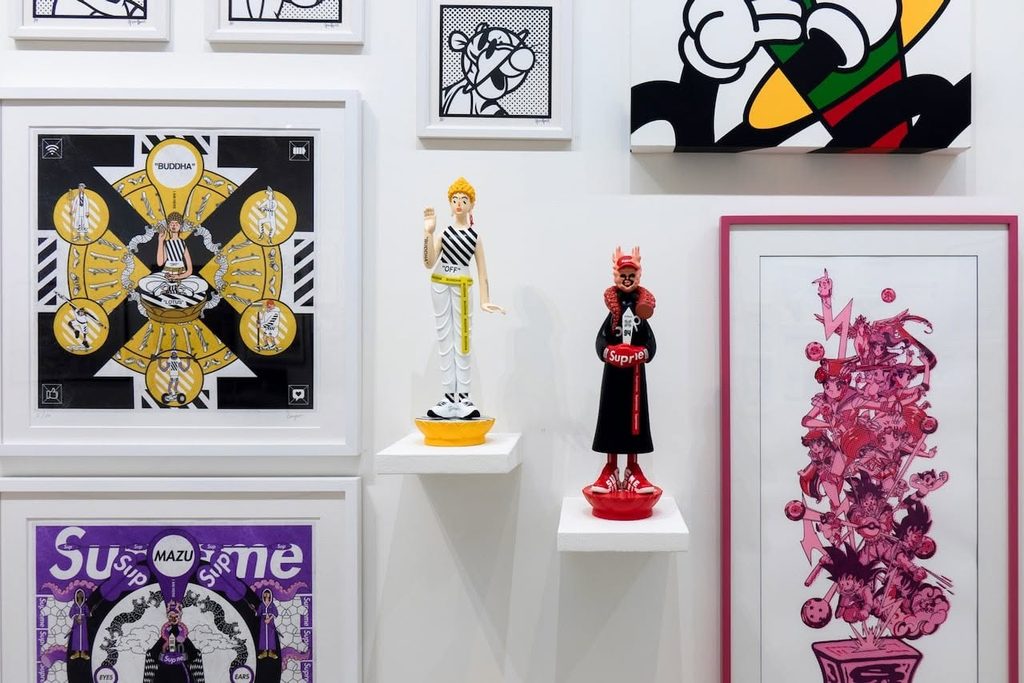
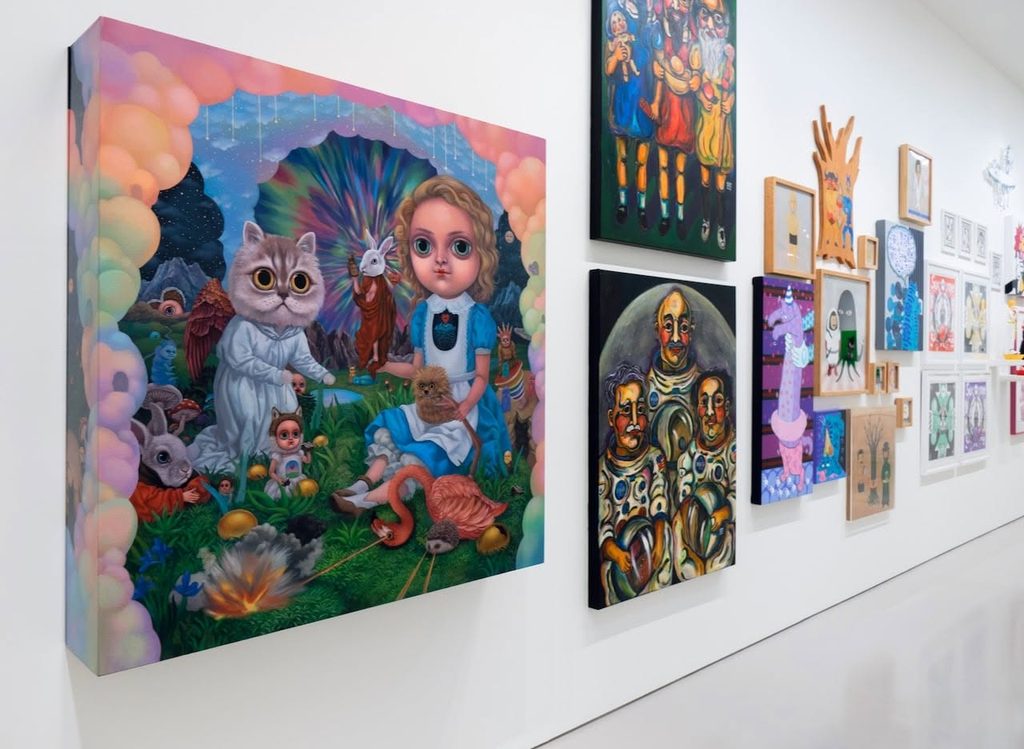
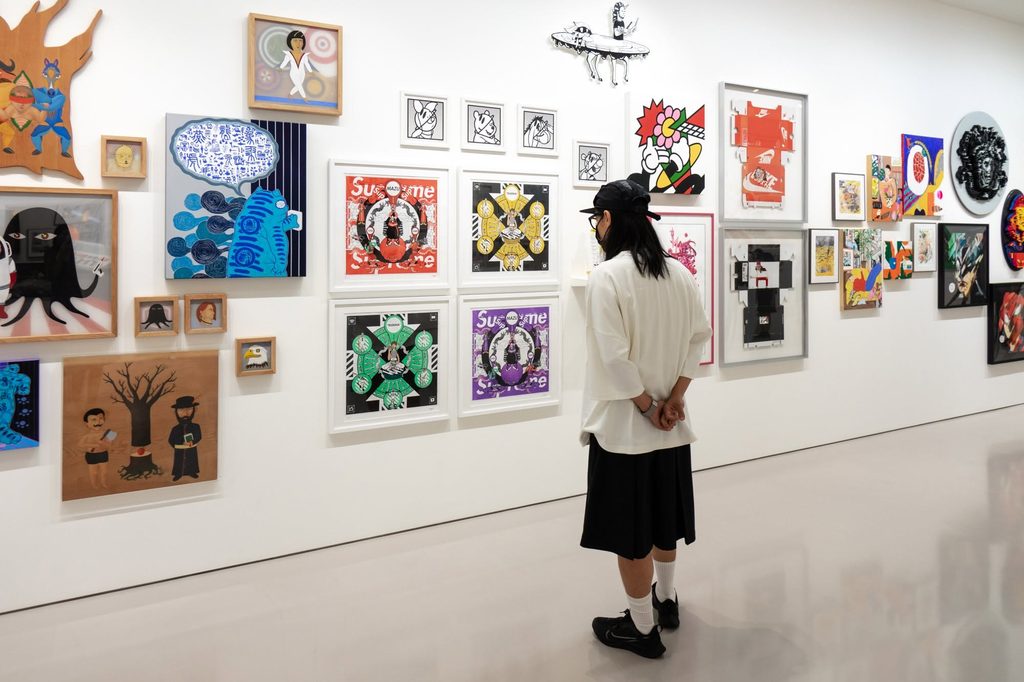
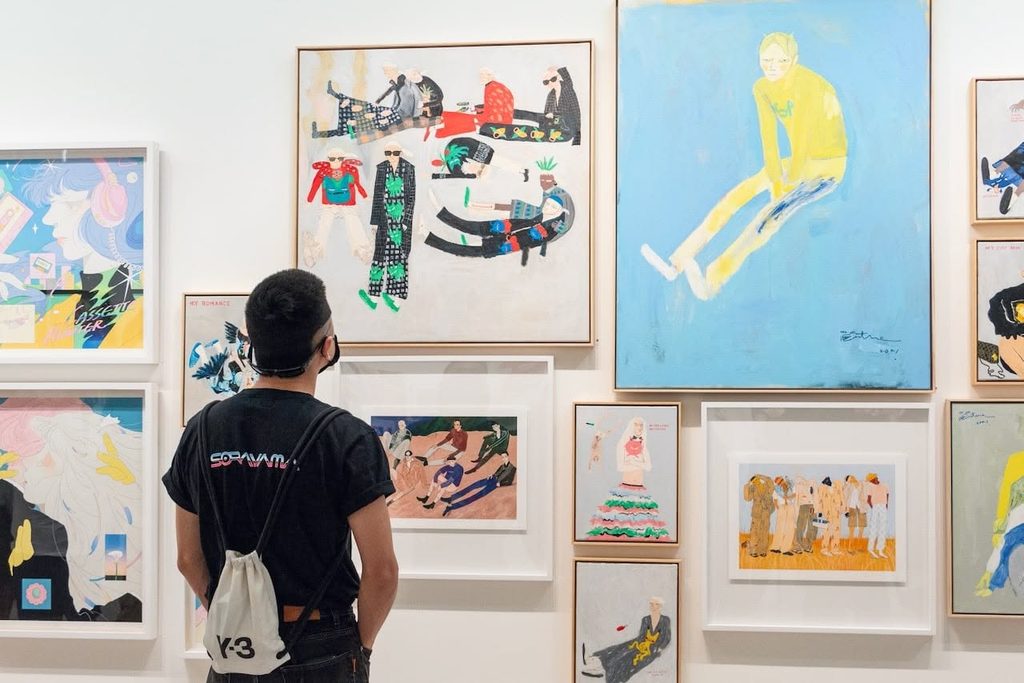
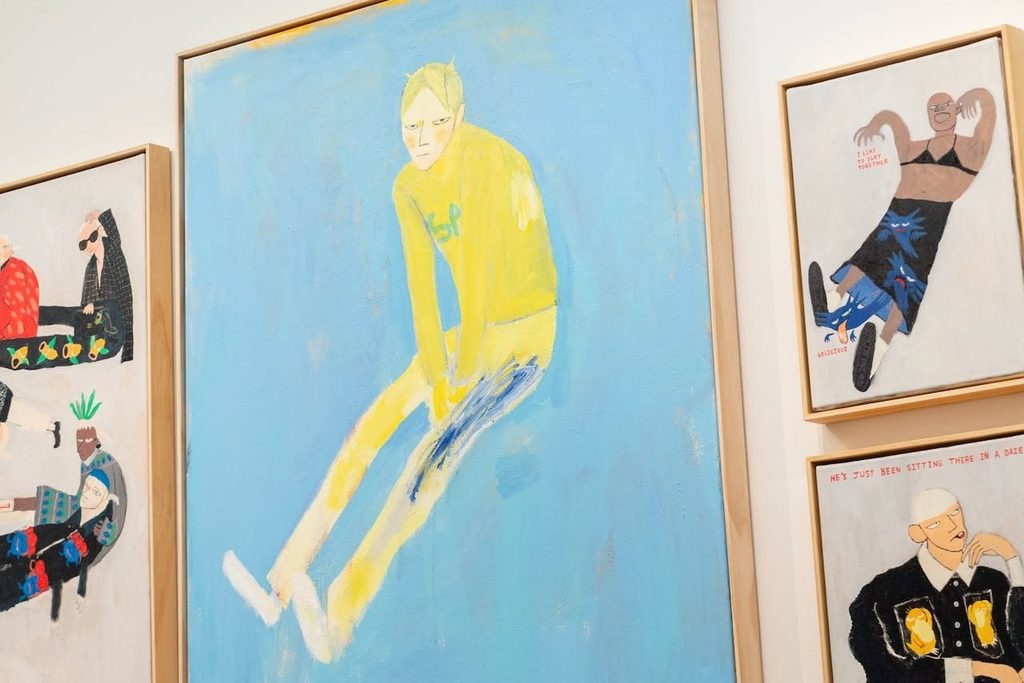
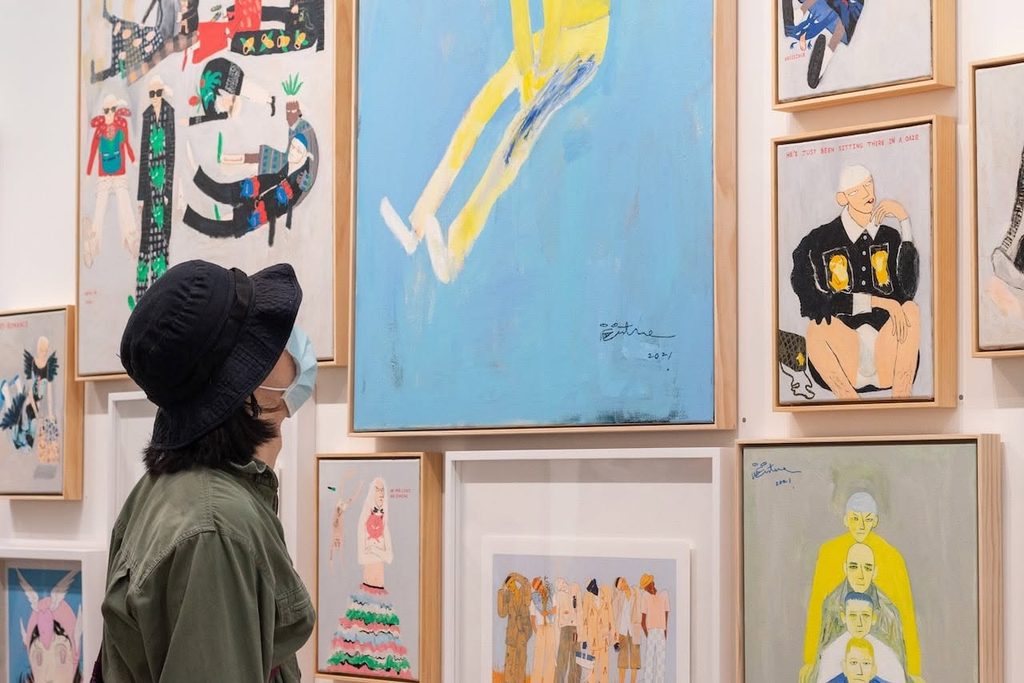
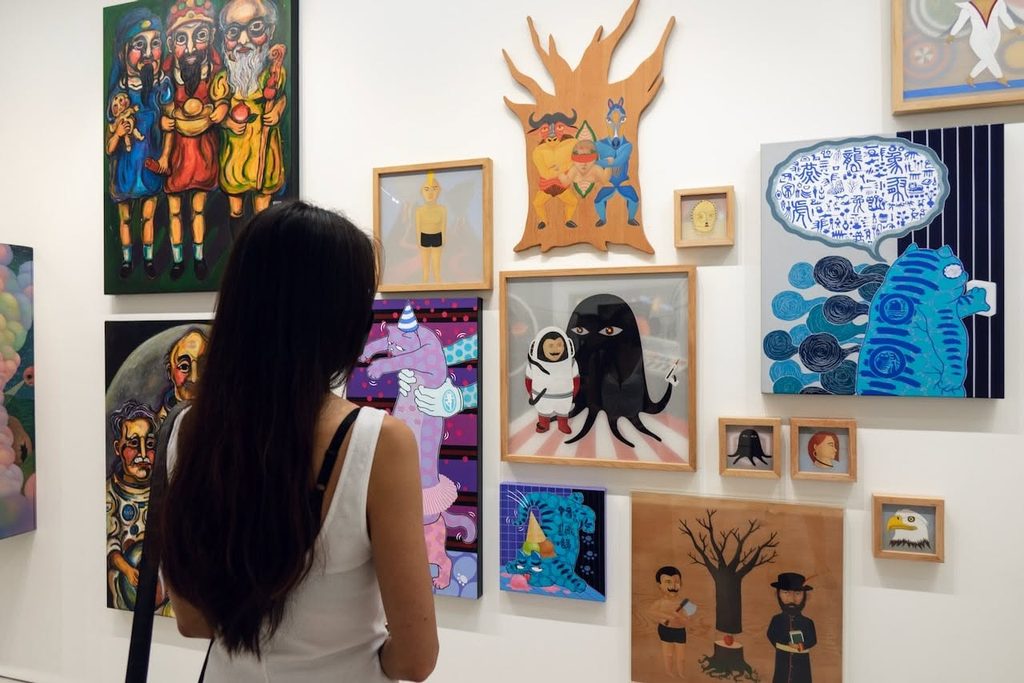
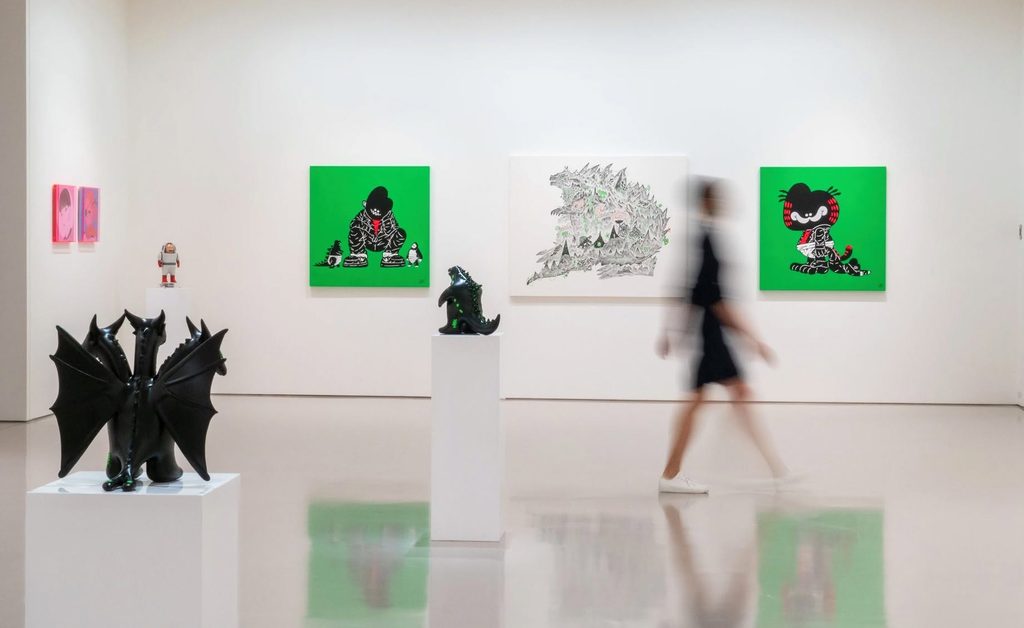
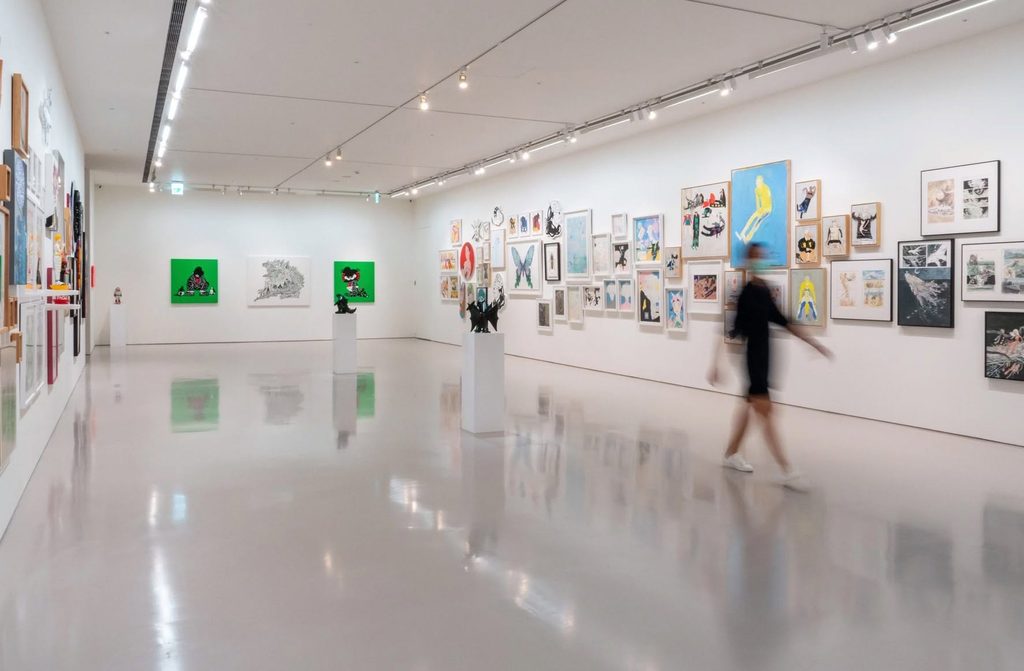
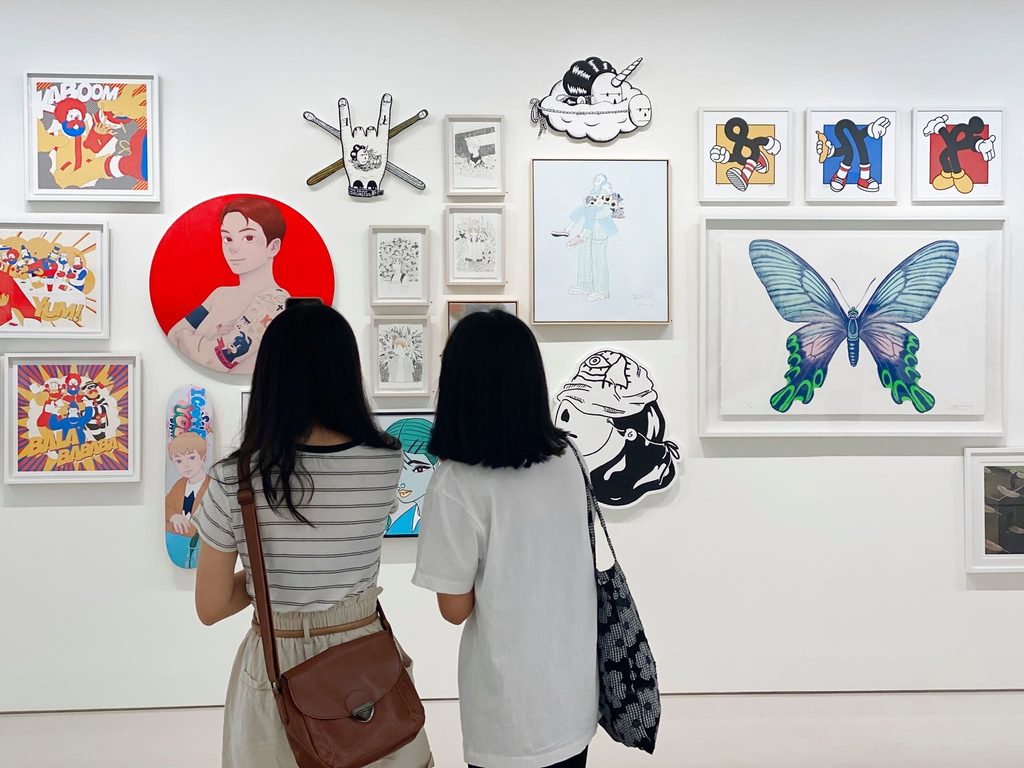
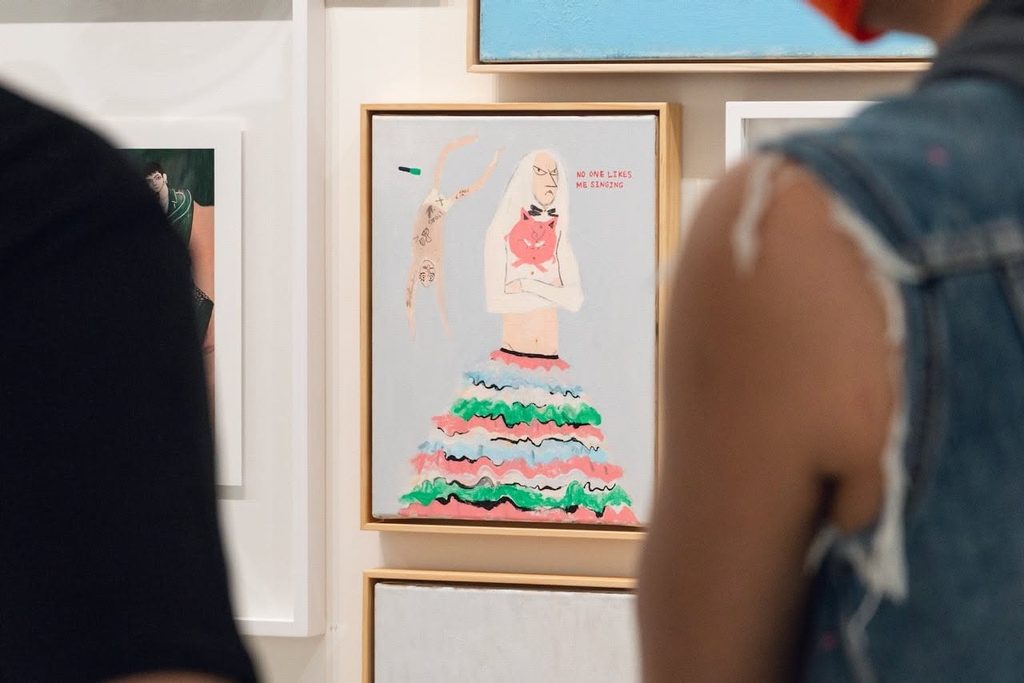
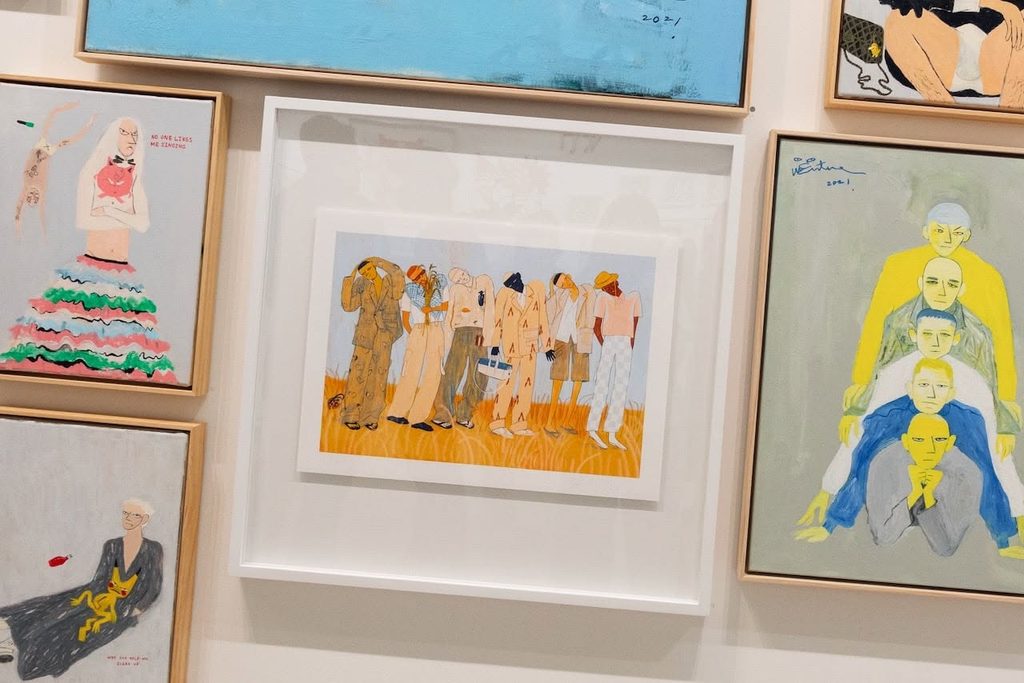
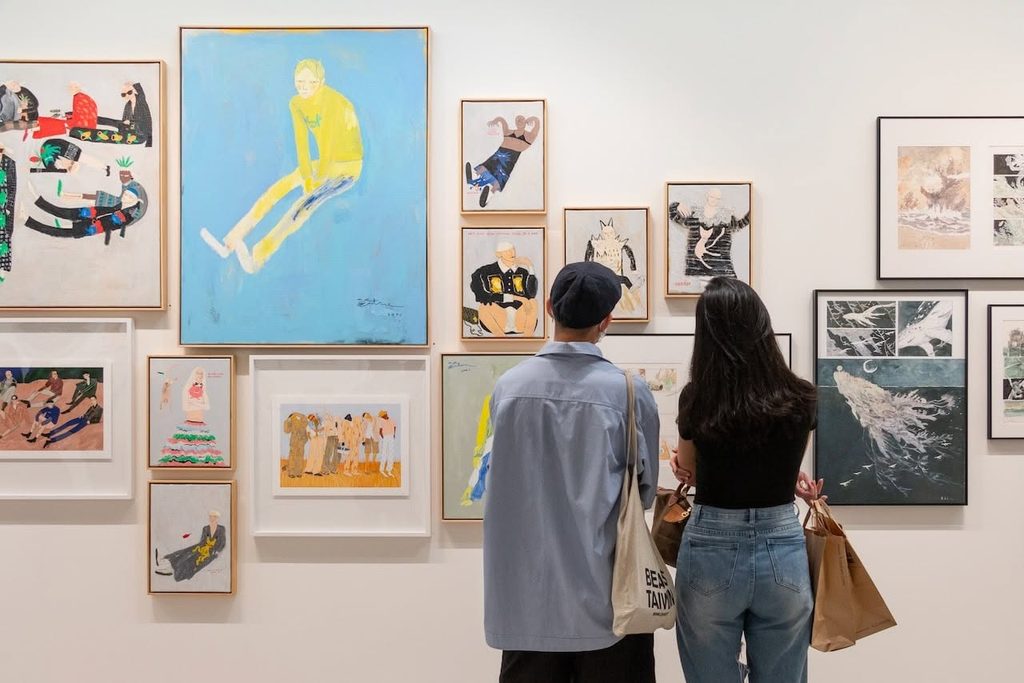
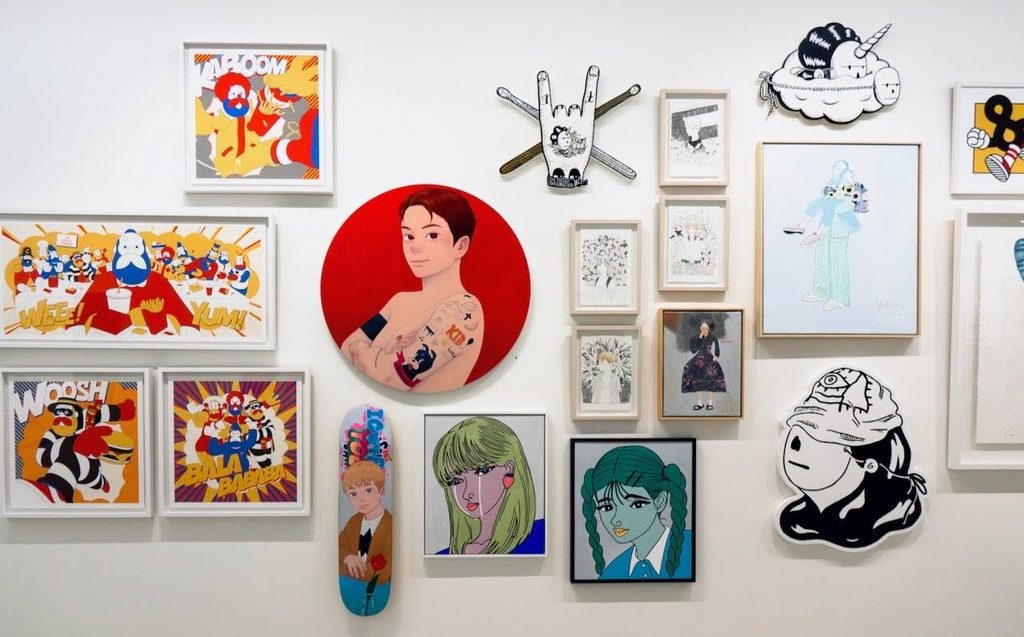
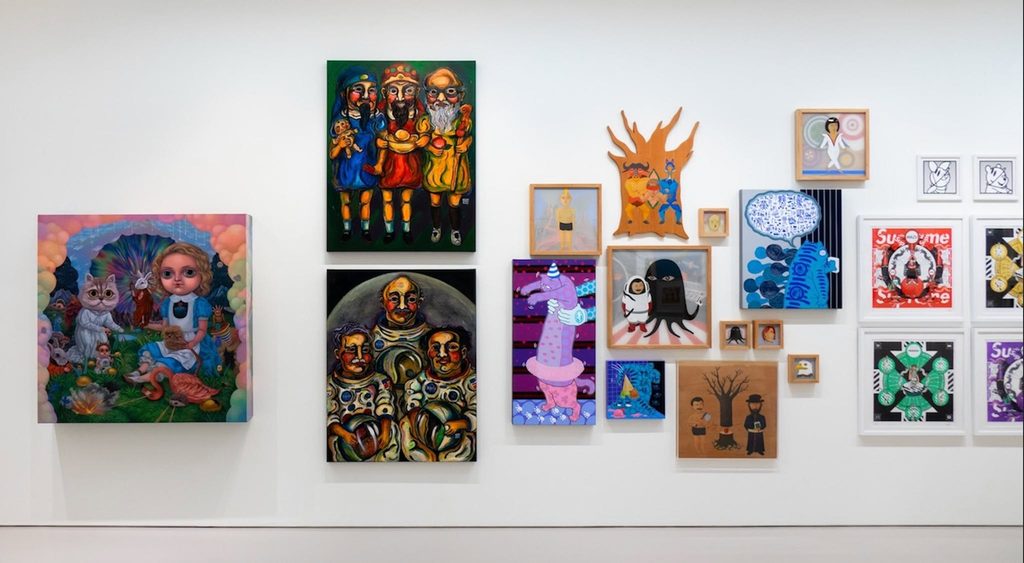
本次展覽邀請來自臺灣、日本、澳門、馬來西亞及韓國等地、不同世代的25位藝術家,透過超過100件作品,以沙龍展的形式呈現動漫美學在亞洲當代藝術中持續生成的多重樣貌。這些作品並不試圖建立單一而明確的風格分類,而是透過彼此之間的差異與交會,讓我們重新思考:當動漫文化成為一種共同的視覺經驗,藝術創作又如何從這些既有的圖像與文化記憶之中,發展出新的表達方式。
展覽以動畫(Animation)、漫畫(Comic)、插畫(Illustration)、遊戲(Game)與玩具(Toy)所構成的 ACGIT 作為策展觀察的架構,並將潮流文化(Trend)納入討論。這些看似分屬不同產業與媒介的創作形式,實際上始終存在著相互影響的關係。角色可以從漫畫進入動畫,再轉化為遊戲中的虛擬身體,或成為具有物質形態的玩具與雕塑;某種原本屬於電子影像的色彩與光感,也可能被重新轉譯為繪畫、裝置或空間中的視覺經驗。媒介之間的轉換並非單純的形式移植,而是在不同的生產條件、文化脈絡與觀看方式之中,持續改變圖像原有的意義。
2004年,策展人陸蓉之提出「動漫美學」(Animamix)的概念,試圖從亞洲當代藝術的發展中,辨識受到動漫文化影響而形成的新興美學現象。動漫美學所指涉的,並不是動畫、漫畫或遊戲本身,而是這些文化形式長期作用於創作者與社會之後,逐漸生成的審美傾向與藝術語言。它關注的是一種文化經驗如何被藝術重新組織,以及原本屬於大眾流行文化的視覺元素,如何在藝術創作中獲得不同的意義。
如果進一步觀察動漫美學在當代藝術中的表現,便會發現其中始終存在著某種對現實的重新安排。從理想化的身體形象、充滿想像的敘事世界,到數位媒介所形塑的色光經驗,以及藝術與文化產業之間不斷變動的關係,這些現象不只是風格上的共同特徵,也反映了當代社會如何透過影像重新理解自身的處境。
1. 青春崇拜:被保存的時間與理想化的身體
青春是動漫文化中最鮮明,也最值得重新思考的美學特徵之一。在動畫、漫畫與遊戲的世界中,青春經常被描繪為一種可以不斷延續的狀態。人物的身體、情感與生命經驗被保存在特定的形象之中,彷彿能夠暫時脫離現實時間的流逝。即使故事持續推進,角色仍可能維持著理想化的年齡、外貌與情感特質,使青春不再只是生命歷程中的某個階段,而成為可以被反覆觀看、保存與投射的文化形象。
這種對青春的崇拜,反映的不只是對年輕、美好與理想化身體的追求,也包含了人們對時間、衰老、失去與現實生活的複雜感受。當青春成為一種可以被製造與消費的形象,它既提供了暫時逃離現實的想像,也使我們重新意識到現實中那些無法停止的變化。
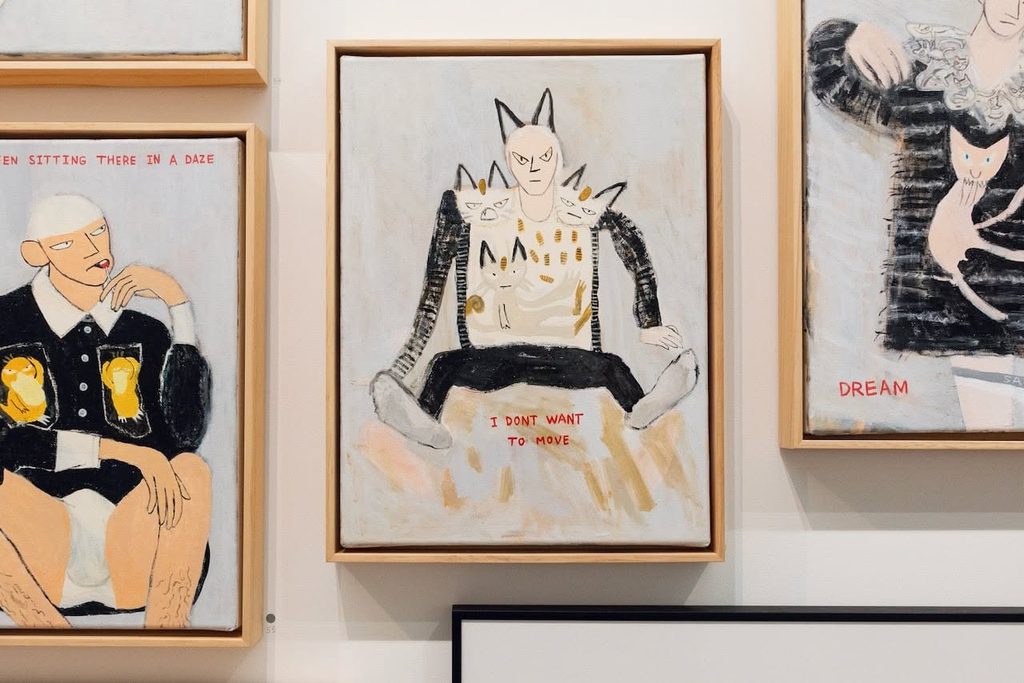
在動漫美學的藝術創作中,這些青春形象未必只是對流行文化的直接引用。當藝術家重新處理角色的身體、表情與存在狀態,原本看似天真、純粹或充滿幻想的視覺形式,也可能轉化為對孤獨、慾望、身分認同及生命處境的思考。
因此,青春崇拜並非只有對理想世界的單向追求,其中也存在著某種矛盾:我們越是試圖透過影像保存青春,便越可能意識到時間無法真正被留住。動漫美學所呈現的,正是這種介於現實與想像、渴望與失落之間的情感關係。
2. 奇異敘事:圖像如何重新組織現實
動漫文化具有強烈的敘事特性,但其敘事並不完全依賴文字或線性的故事結構,而是透過角色、場景、構圖、色彩與視覺符號,發展出具有自身邏輯的圖像語言。
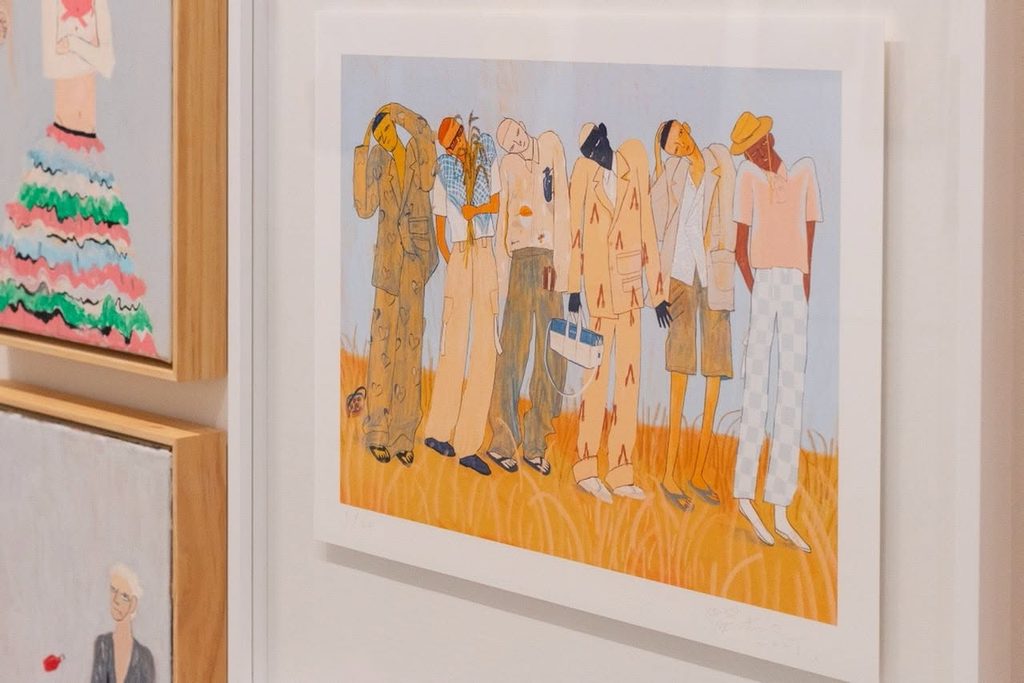
在這樣的視覺系統中,圖像不再只是文字敘事的輔助工具。人物的一個姿態、場景中的某種配置,或是看似不合邏輯的空間關係,都可能成為理解作品的重要線索。即使沒有完整的故事情節,觀看者仍能透過既有的文化經驗,在影像之間建立關聯,並自行組織可能的敘事。
當這種圖像語言進入當代藝術,作品便不一定需要呈現明確的故事,也能透過視覺元素之間的關係,引導觀眾進入某種情境或想像世界。尤其在數位文化的發展之下,影像、文字、聲音、互動介面與空間經驗之間的界線日益模糊,使敘事不再只能依循單一媒介或固定的時間順序展開。
這種奇異而多變的敘事方式,也使動漫美學具有重新安排現實的可能。虛構世界並非必然與真實世界相互對立,反而可能透過誇張、變形、拼貼與不合常理的情節,使那些在日常生活中難以被清楚表達的情感與經驗,獲得另一種被理解的形式。
藝術家在此所進行的,並不只是故事的創造,更是對觀看方式的重新組織。當圖像不再被要求忠實再現現實,現實本身也就不再只有一種可以被理解的樣貌。
3. 色光視覺:數位影像與感官經驗的轉換
動畫、電子遊戲及數位影像的發展,不僅改變了圖像的生產與傳播方式,也逐漸形塑當代人對色彩、光線與空間的感知。
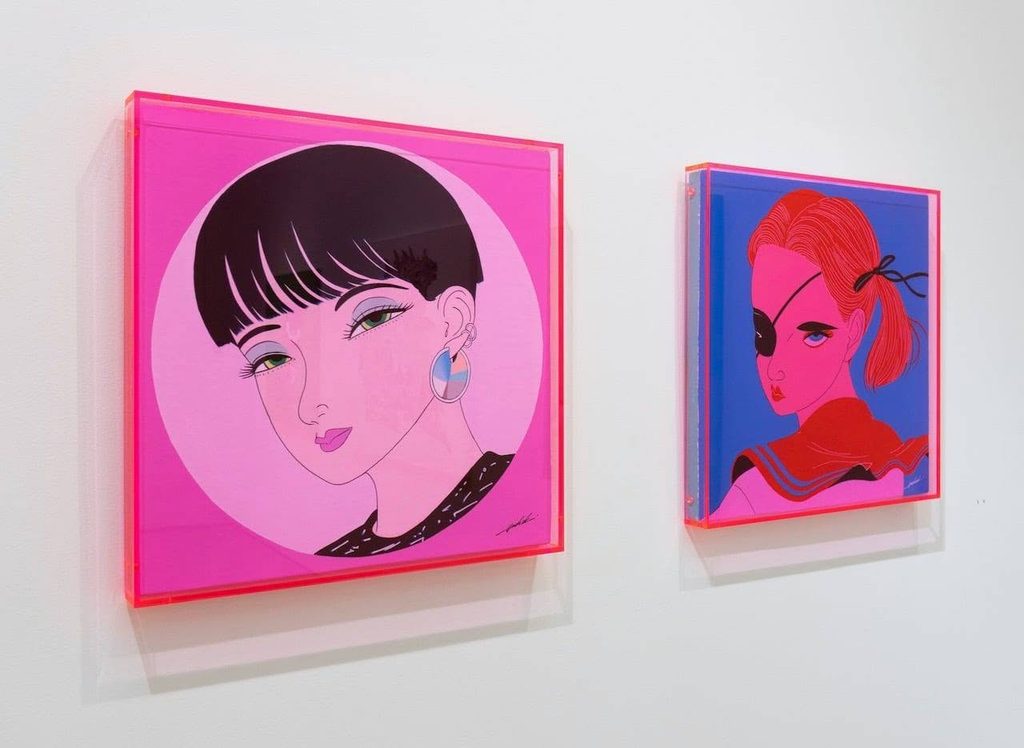
高彩度、強烈對比、透明光感與非自然色彩,是動漫文化中經常出現的視覺特徵。這些色彩並不總是為了模仿自然世界,而是透過人工化的光影與色彩配置,創造出具有幻想性、情緒性與高度辨識度的視覺經驗。
我們所熟悉的影像,也因此逐漸從自然光線下的物質表面,轉向由電子螢幕所生成的發光影像。這種觀看經驗的變化,使色彩不再只是物體所具有的表面特徵,也成為建構空間、情緒與感官關係的重要元素。
當這些視覺特徵被轉譯至繪畫、雕塑或裝置藝術之中,原本屬於數位影像的光感,便需要重新面對材料、肌理、尺度與實體空間的條件。電子影像中的色彩與光線,可能透過顏料、材質或人工照明重新出現,卻也因此產生不同於螢幕觀看的身體經驗。
在這個過程中,藝術家不只是將數位影像的風格轉換為實體作品,而是使兩種不同的視覺經驗相互交會。虛擬與現實、影像與物質之間的關係,不再只是形式上的差異,也成為理解當代感知方式的重要問題。
當我們開始以接近電子影像的方式觀看現實,或在實體作品中尋找熟悉的數位光感,動漫美學便不只是某種視覺風格,而是反映了一個被數位媒介持續改變的感官時代。
4. 跨界協作:藝術、文化與產業的交互生成
如果說青春、敘事與色光構成了動漫美學較容易辨識的視覺特徵,那麼跨界協作所揭示的,則是這些視覺形式如何在不同文化領域之間持續流動。
從動畫、漫畫、插畫、遊戲、玩具、時尚與設計,到繪畫、雕塑、裝置及其他當代藝術形式,動漫美學所涉及的創作者早已跨越單一媒介與產業的分類。
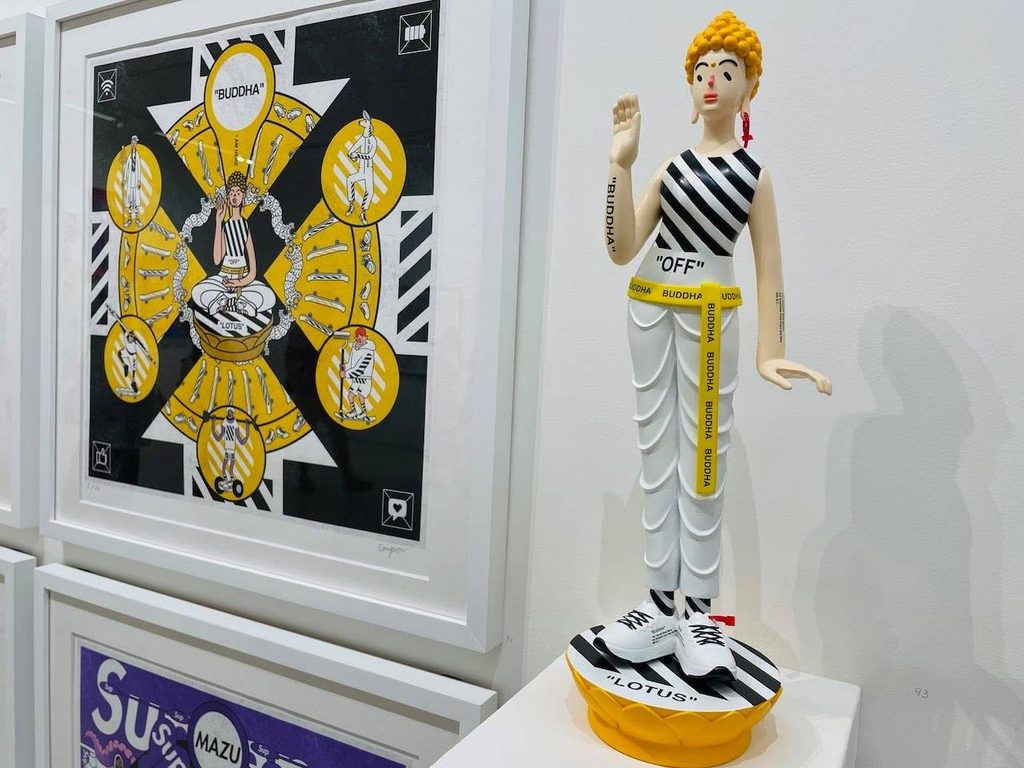
藝術家可能從繪畫進入角色設計,從雕塑延伸至玩具製作,也可能將原本存在於遊戲或動畫中的視覺語言,重新帶入藝術展覽的空間。相反地,來自商業設計與流行文化領域的創作者,也可能透過不同的創作方法,使其作品進入當代藝術的展示與討論體系。這些轉換並非單純的跨領域合作,而涉及作品在不同文化系統中的重新定位。
一個角色形象可能同時存在於藝術作品、商品、數位媒體與大眾文化之中,但它在不同情境下所被賦予的價值與意義,卻未必相同。原本作為商品的物件,可能因為展示脈絡的改變而被重新理解為藝術;藝術作品也可能透過授權、複製與商品化,進入更加廣泛的文化流通系統。這樣的現象使藝術與商業之間的關係,無法再被簡單理解為彼此對立。
然而,跨界所帶來的自由,也伴隨著新的問題。當藝術作品同時具有文化表達與商品交換的功能,創作者如何維持自身的創作自主性?當大眾流行文化的視覺符號進入藝術市場,其價值究竟來自作品本身的表達,還是來自既有的文化認同與市場機制?
動漫美學的跨界特性,並不意味著藝術與商業之間的界線已經消失,而是使這些界線在不同的文化實踐中持續被重新協商。在藝術與日常之間,持續生成的美學透過上述四個面向,可以發現動漫美學所涉及的,並不只是特定的藝術風格,而是一種由文化經驗、媒介技術與社會生活共同形塑的視覺感知。
對於成長於數位影像與流行文化環境中的新一代創作者而言,動漫文化甚至未必是某種經過刻意選擇的創作形式。那些角色形象、色彩經驗與敘事方式,可能早已內化為創作者的視覺記憶,成為他們理解生活、感受現實與組織作品的基本方法。
動漫美學並不是藝術家將動漫元素帶入作品之後才產生的結果,而可能早已存在於藝術家觀看與理解世界的方式之中。這也使動漫美學與當代藝術之間的關係,無法僅從風格或媒介分類來理解。藝術不只是受到文化影響的結果,也可能透過對既有圖像的重新組織,使我們意識到那些原本熟悉、卻未必真正被理解的文化經驗。
本次展覽由誠品畫廊內部與外部策展人共同策劃,並突破畫廊過往免費參觀的慣例,以售票形式呈現主題特展。這項嘗試除了反映商業畫廊在展覽策劃、觀眾經營與營運模式上的轉變,也使展覽本身成為觀察藝術與文化產業關係的一個具體場域。
當動漫美學從大眾流行文化進入商業畫廊的展示空間,觀眾所面對的不只是另一種藝術風格,也包括不同文化形式如何在藝術制度、市場機制與觀看經驗之中,被重新界定與理解的問題。
如果說二十世紀的現代藝術,持續透過各種藝術運動探索形式、媒介與藝術自主性的邊界,那麼二十一世紀的動漫美學,則提供了另一種思考藝術發展的視角。
它不再僅以單一作品、媒介或藝術類型作為創作的終點,而是透過圖像、角色、敘事、空間、技術與文化產業之間的連結,使藝術得以進入更加廣泛的生活領域。
從這個角度而言,動漫美學或許也提供了重新思考「整體藝術」(Total Art)的一種可能。藝術不再只是不同媒介之間的形式整合,而是透過影像、物件、空間、身體與文化活動的相互作用,形成跨越藝術與日常生活的整體性經驗。
然而,這樣的整合並不必然意味著藝術將走向單一而完整的形式。相反地,動漫美學所展現的,可能正是不同媒介、文化與產業在保持各自差異的同時,仍能持續相互影響、轉化與生成的複雜關係。
或許,我們不需要急著判斷動漫美學是否將成為下一個被藝術史確立的風格流派。比起為它建立固定的定義,更值得關注的,是這些圖像如何穿越不同世代的生活經驗,在藝術與日常之間不斷改變自身的形態;又如何使原本熟悉的文化符號,在新的創作與觀看關係之中,重新獲得被理解的可能。
藝術的發展從來不只是新的形式取代舊的形式,而是我們觀看與理解世界的方式,如何在不同的文化經驗中持續被改變。動漫美學所揭示的,或許正是這樣一個仍在發生的過程:那些曾經屬於虛構世界的影像,早已成為現實生活的一部分;而藝術所能做的,不只是將它們重新呈現出來,更是讓我們在這些熟悉的圖像之中,看見尚未被充分理解的現實。
Eslite Gallery:ANIMAMIX FLUX
Exhibition Dates: August 7 – September 4, 2021
Venue: Eslite Gallery, Eslite Spectrum Songyan, Taipei, Taiwan
Curators: Emily CHAO, Eric LAI, Andy YEN
Artists: Abei LIU, ANO9S, CHANG Chia-Ying, Chen-Dao LEE, Cowper WANG, Croter HUNG, Eszter CHEN, Grafflex, Hiroyuki MATSUURA, HORIKOSHI Tatsuhito, Kawo a.k.a Sushijojo, LAOWANG1102, LIAO Yu-An, LIN Jun Liang, Masanori USHIKI, Page TSOU, Pu CHEN, Saitemiss, Sangna Take, Tony SUEZ, U-die, Uncle Tommy, YEH Chang-Ching, Yi-Shuan LEE, Yu Chia CHANG
Text by Andy Yen
Perhaps it is difficult to identify precisely when animation and comic culture began to transform the ways in which we perceive the world. The characters, colors, settings, and narratives that once existed within television screens, comic books, and video games have gradually moved beyond their original media, entering everyday life as well as artistic practice. They have become part of a familiar visual memory, shaping our imagination of the body, emotion, time, and reality. When these images cease to be merely objects of observation and begin to inform the ways we understand the world, their cultural influence extends far beyond the entertainment industries from which they emerged.
ANIMAMIX FLUX brings together 25 artists from different generations across Taiwan, Japan, Macau, Malaysia, and South Korea. Featuring more than 100 works presented in a salon-style exhibition, the project explores the multiple manifestations of Animamix aesthetics as they continue to emerge and evolve within Asian contemporary art. Rather than attempting to establish a single, clearly defined stylistic category, the exhibition brings together diverse artistic approaches and points of intersection, prompting us to reconsider a fundamental question: when animation and comic culture become part of a shared visual experience, how might artistic practice develop new forms of expression from these existing images and cultural memories?
The exhibition adopts ACGIT—Animation, Comics, Games, Illustration, and Toys—as a curatorial framework, while extending its scope to include trend culture. Although these creative fields may appear to belong to distinct industries and media, they have always existed in relationships of mutual influence. A character may move from comics into animation, become a virtual body within a video game, or acquire material form as a toy or sculpture. Likewise, the colors and luminous qualities originally associated with electronic images may be translated into painting, installation, or spatial experience. Such transitions between media are not simply transfers of form; rather, they continuously transform the meanings of images through different conditions of production, cultural contexts, and modes of spectatorship.
In 2004, curator Victoria Lu introduced the concept of Animamix, identifying an emerging aesthetic phenomenon within Asian contemporary art shaped by the influence of animation and comic culture. Animamix does not refer to animation, comics, or video games themselves, but to the aesthetic sensibilities and artistic languages that emerge through the sustained influence of these cultural forms on artists and society. The concept concerns how cultural experience is reorganized through art, and how visual elements originating in popular culture acquire new meanings within artistic practice.
A closer examination of Animamix aesthetics in contemporary art reveals a recurring tendency to rearrange our understanding of reality. From idealized representations of the body and imaginative narrative worlds to the chromatic and luminous experiences shaped by digital media, as well as the shifting relationships between art and the cultural industries, these phenomena are more than shared stylistic characteristics. They also reflect the ways contemporary society comes to understand its own conditions through images.
1. The Cult of Youth: Preserved Time and the Idealized Body
Youth is among the most recognizable—and perhaps most compelling—characteristics of Animamix aesthetics.
Within the worlds of animation, comics, and video games, youth is frequently represented as a condition capable of indefinite continuation. The bodies, emotions, and lived experiences of characters are preserved within particular images, as though temporarily released from the passage of real time. Even as narratives progress, characters may retain their idealized ages, appearances, and emotional qualities. Youth thus ceases to be merely a stage in the human life cycle and becomes a cultural image that can be repeatedly viewed, preserved, and projected upon.
This fascination with youth reflects more than a desire for beauty, vitality, or idealized bodies. It also encompasses complex human responses to time, aging, loss, and the conditions of everyday existence. When youth becomes an image that can be manufactured and consumed, it offers an imaginative escape from reality while simultaneously reminding us of the changes that cannot be suspended in actual life.
Within artistic practices informed by Animamix, these youthful figures are not necessarily direct references to popular culture. When artists reinterpret the bodies, expressions, and states of existence of such characters, visual forms that initially appear innocent, pure, or fantastical may become vehicles for reflecting upon loneliness, desire, identity, and the conditions of human existence.
The cult of youth, therefore, is not simply a one-directional longing for an ideal world. It contains an inherent contradiction: the more we attempt to preserve youth through images, the more acutely we may become aware that time itself cannot be retained. What Animamix aesthetics reveals is precisely this emotional relationship between reality and imagination, longing and loss.
2. Unconventional Narratives: How Images Reorganize Reality
Animation and comic culture possess strong narrative qualities, yet their storytelling does not depend entirely on written language or linear structures. Instead, characters, environments, compositions, colors, and visual symbols develop into a visual language governed by its own internal logic.
Within such a visual system, images are no longer merely supplementary to textual narratives. A character’s gesture, the arrangement of a scene, or an apparently illogical spatial relationship may become a crucial element in understanding a work. Even in the absence of a complete storyline, viewers can establish connections between images through their existing cultural experiences, constructing possible narratives of their own.
When this visual language enters contemporary artistic practice, an artwork need not present an explicit story to evoke a particular situation or imaginary world. Relationships among visual elements can themselves guide viewers toward narrative possibilities. Particularly with the development of digital culture, the boundaries separating images, text, sound, interactive interfaces, and spatial experiences have become increasingly fluid. Narrative is no longer confined to a single medium or a fixed chronological sequence.
Such unconventional and mutable narrative structures also allow Animamix aesthetics to reorganize reality. Fictional worlds do not necessarily stand in opposition to the real world. Through exaggeration, distortion, collage, and seemingly illogical events, they may instead provide alternative forms through which emotions and experiences that are difficult to articulate in everyday life can become perceptible and meaningful.
What artists undertake in this context is not merely the creation of stories, but a reconfiguration of the act of seeing. Once images are no longer required to faithfully reproduce reality, reality itself can no longer be understood through a single, predetermined perspective.
3. Chromatic and Luminous Visuality: Transforming Sensory Experience through Digital Images
The development of animation, electronic games, and digital imagery has transformed not only the production and circulation of images, but also contemporary perceptions of color, light, and space.
Highly saturated colors, strong contrasts, translucent luminosity, and unnatural color schemes are recurring visual characteristics of animation and comic culture. Rather than attempting to imitate the natural world, these visual strategies employ artificial light and chromatic arrangements to construct experiences characterized by fantasy, emotional intensity, and distinctive visual identities.
As a result, our familiar visual experiences have gradually shifted from the material surfaces of objects illuminated by natural light toward luminous images generated by electronic screens. This transformation in visual experience means that color is no longer perceived solely as a surface property of objects; it also becomes an essential element in constructing space, emotion, and sensory relationships.
When these characteristics are translated into painting, sculpture, or installation art, the luminosity associated with digital imagery must confront the material conditions of texture, scale, surface, and physical space. Colors and light originating in electronic images may reappear through pigments, materials, or artificial illumination, yet they consequently generate embodied experiences distinct from those of screen-based viewing.
In this process, artists are not simply translating the visual style of digital images into physical objects. Rather, they bring different modes of visual experience into contact with one another. The relationship between the virtual and the real, the image and the material, is no longer merely a distinction of form; it becomes a significant question concerning the ways contemporary perception is constituted.
When we begin to perceive reality through visual conventions resembling electronic imagery, or seek familiar digital luminosity within physical artworks, Animamix aesthetics becomes more than a recognizable visual style. It reflects a sensory condition continually transformed by digital media.
4. Cross-Disciplinary Collaboration: The Mutual Formation of Art, Culture, and Industry
If youth, narrative, and luminous color constitute the more immediately recognizable visual characteristics of Animamix aesthetics, cross-disciplinary collaboration reveals how these forms circulate continuously across different cultural fields.
From animation, comics, illustration, video games, toys, fashion, and design to painting, sculpture, installation, and other forms of contemporary art, practitioners associated with Animamix have long moved beyond the classifications of individual media and industries.
An artist may move from painting into character design, extend sculptural practice into toy production, or reintroduce visual languages originating in games and animation into exhibition spaces. Conversely, creators working in commercial design and popular culture may develop artistic approaches that enable their work to enter the institutional spaces and critical discourses of contemporary art.
Such movements are not simply instances of interdisciplinary collaboration; they involve the repositioning of artworks within different cultural systems.
A single character may exist simultaneously as an artwork, a commodity, a digital image, and an element of popular culture. Yet the meanings and values attributed to it are not necessarily the same in each context. An object originally produced as a commercial product may be reinterpreted as art through a change in its exhibition context. Likewise, an artwork may enter broader systems of cultural circulation through licensing, reproduction, and commercialization.
These phenomena make it increasingly difficult to understand the relationship between art and commerce as a straightforward opposition.
Nevertheless, the freedoms enabled by cross-disciplinary practice also introduce new questions. When an artwork functions simultaneously as cultural expression and a commodity, how can artists maintain their creative autonomy? When visual symbols associated with popular culture enter the art market, does their value arise from the expressive qualities of the work itself, or from established forms of cultural identification and market mechanisms?
The cross-disciplinary nature of Animamix aesthetics does not suggest that the boundaries between art and commerce have disappeared. Rather, it reveals how these boundaries are continuously negotiated through different cultural practices.
An Aesthetic in Continuous Formation: Between Art and Everyday Life
Through these four dimensions, Animamix aesthetics can be understood as more than a particular artistic style. It constitutes a mode of visual perception collectively shaped by cultural experience, media technologies, and social life.
For younger generations of artists who have grown up surrounded by digital imagery and popular culture, animation and comic culture may not even represent a consciously selected artistic style. Character designs, chromatic experiences, and narrative conventions may already have become internalized as visual memories, informing the fundamental ways these artists perceive everyday life, experience reality, and construct their works.
Animamix aesthetics, therefore, does not necessarily emerge only when artists introduce elements of animation or comics into their work. It may already be embedded in the ways artists see and understand the world.
This also means that the relationship between Animamix and contemporary art cannot be adequately understood through stylistic or medium-based classifications alone. Art is not simply the product of cultural influence; through the reorganization of existing images, it can also bring into awareness cultural experiences that have become familiar without necessarily being fully understood.
ANIMAMIX FLUX was jointly curated by Eslite Gallery’s in-house team and independent curators. Departing from the gallery’s established practice of free admission, the exhibition was presented as a ticketed thematic exhibition. Beyond reflecting changes in exhibition programming, audience engagement, and the operational models of commercial galleries, this experiment also positioned the exhibition itself as a site for examining relationships between art and the cultural industries.
When Animamix aesthetics moves from popular culture into the exhibition space of a commercial gallery, viewers encounter more than an alternative artistic style. They are also confronted with questions about how different cultural forms are redefined and understood through artistic institutions, market mechanisms, and experiences of spectatorship.
If twentieth-century modern art continually explored the boundaries of form, medium, and artistic autonomy through successive artistic movements, Animamix aesthetics offers another perspective from which to consider the development of art in the twenty-first century.
Rather than treating the individual artwork, medium, or artistic category as the ultimate destination of creative practice, Animamix establishes connections among images, characters, narratives, spaces, technologies, and cultural industries, allowing art to extend into broader territories of everyday life.
From this perspective, Animamix aesthetics may also offer a possibility for reconsidering the notion of Total Art. Art is no longer understood solely as the formal integration of different media, but as an interconnected experience emerging through the interactions of images, objects, spaces, bodies, and cultural activities—an experience that extends across the boundaries separating art from everyday life.
Such integration, however, does not necessarily imply that art is moving toward a single, unified form. On the contrary, what Animamix aesthetics may reveal is a complex relationship in which different media, cultures, and industries retain their distinctive characteristics while continuously influencing, transforming, and generating one another.
Perhaps there is no need to determine prematurely whether Animamix will become another stylistic movement formally established within art history. Rather than attempting to fix its definition, it may be more meaningful to consider how these images move across the lived experiences of different generations, continually changing their forms between art and everyday life, and how familiar cultural symbols may acquire new possibilities of interpretation through changing relationships between artistic creation and spectatorship.
The development of art has never been simply a matter of new forms replacing old ones. It is also a process through which our ways of seeing and understanding the world are continually transformed by different cultural experiences. What Animamix aesthetics reveals may be precisely such an ongoing process: images that once belonged to fictional worlds have already become part of our lived reality. What art can offer, then, is not merely the representation of these images, but the possibility of seeing, within their familiarity, aspects of reality that have yet to be fully understood.

