展覽|差一點要溺水了:林志鵬|編號 223 攝影個展
展期|2026 / 11 / 20 (五) – 12 / 28 (一)
開幕|2026 / 11 / 21 (六) 4 – 7 PM
地點|EQUAL = 等號™︎ © 台北市北投區三合街一段82巷61弄18號
策展人|顏寧志
——————————————————
文/顏寧志
生活裡有很多事情,最讓人記得的時候,不是在它真正發生之後,而是在它差一點就要發生的瞬間。
差一點沉下去。
差一點失去平衡。
差一點喘不過氣。
差一點靠得太近。
差一點離開,也差一點重新開始。
每天趕車、工作、回覆訊息,面對各種看不見的期待,也在人與人過近或過遠的關係裡來回。有時候,並沒有發生什麼真正嚴重的事情,身體卻會突然先知道了:胸口悶了一下,呼吸變短,像整個人慢慢沉進水裡。
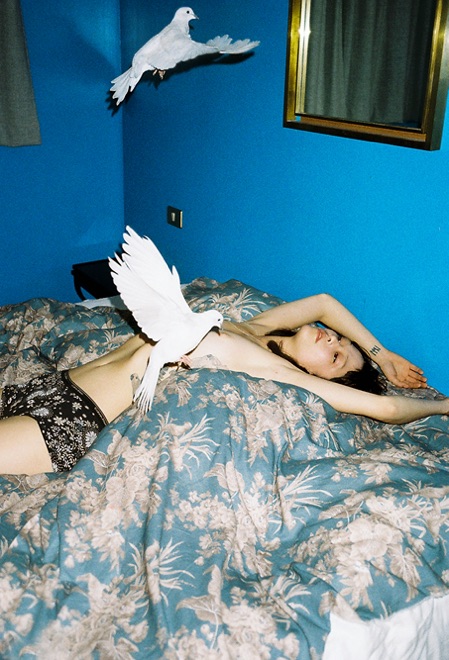
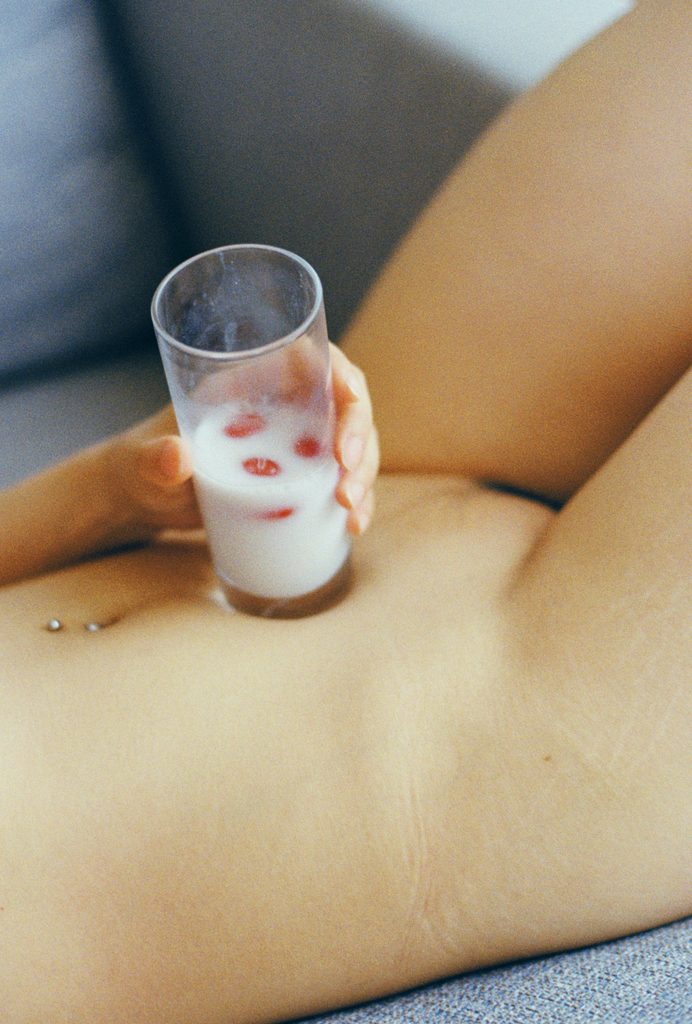
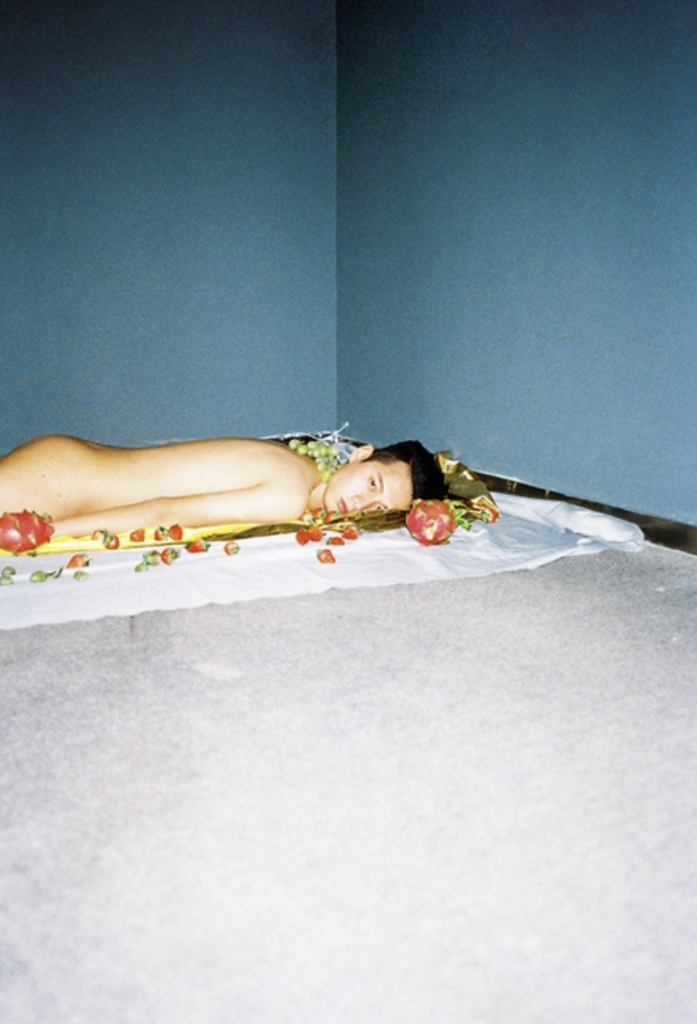
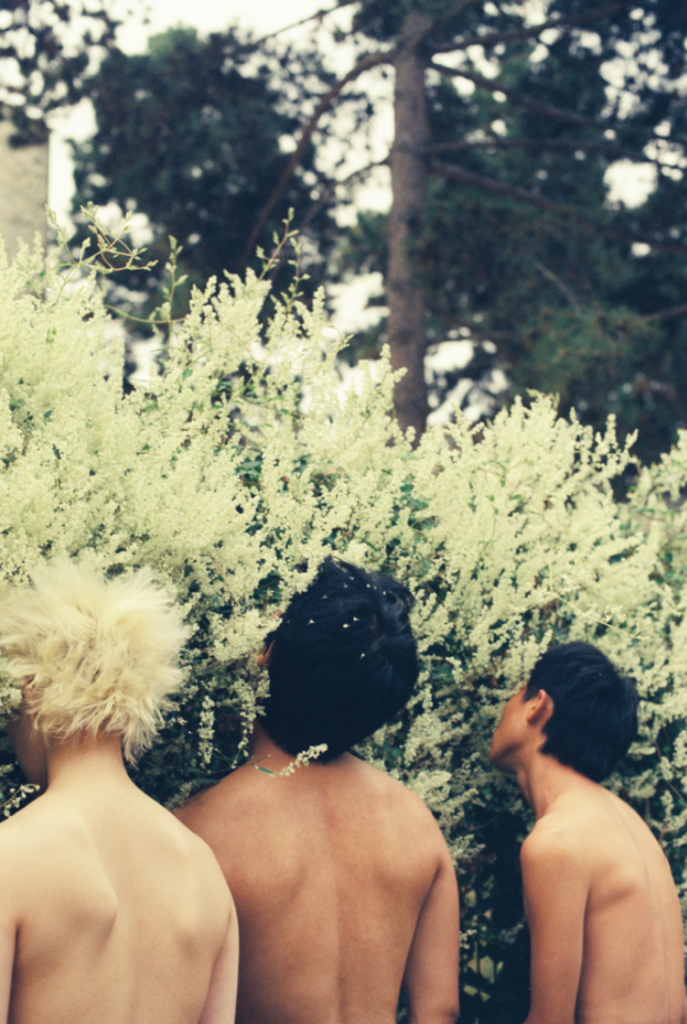
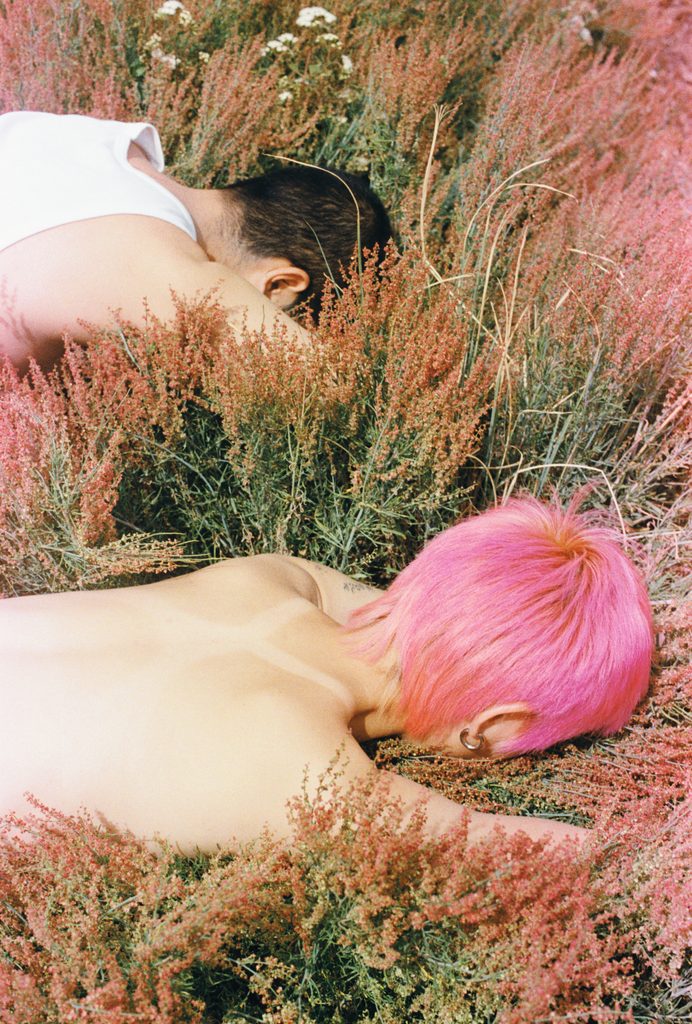
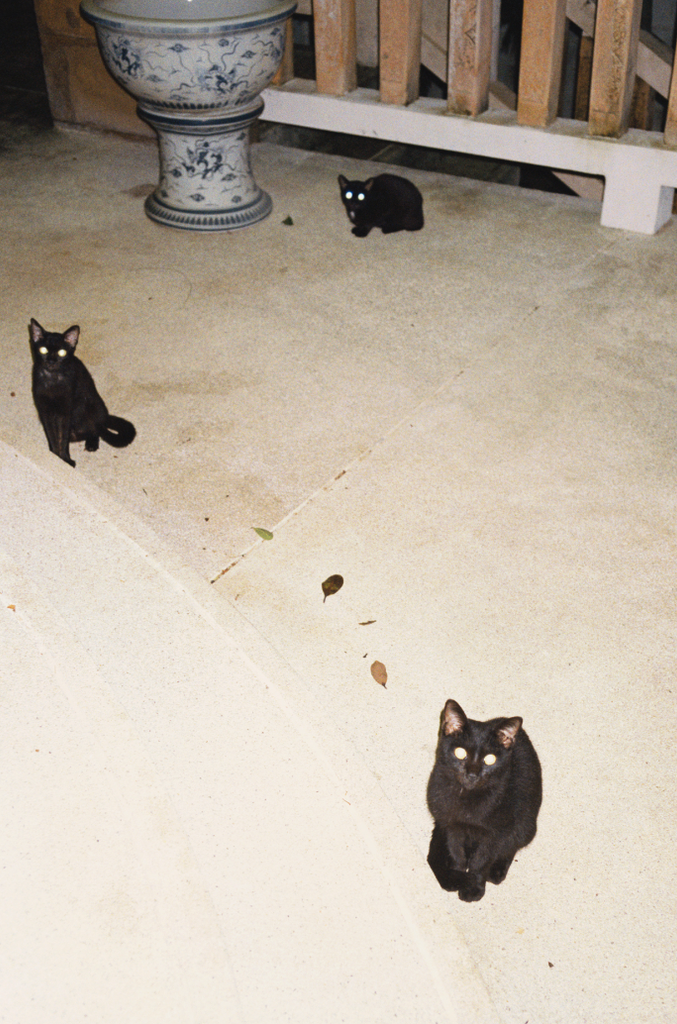
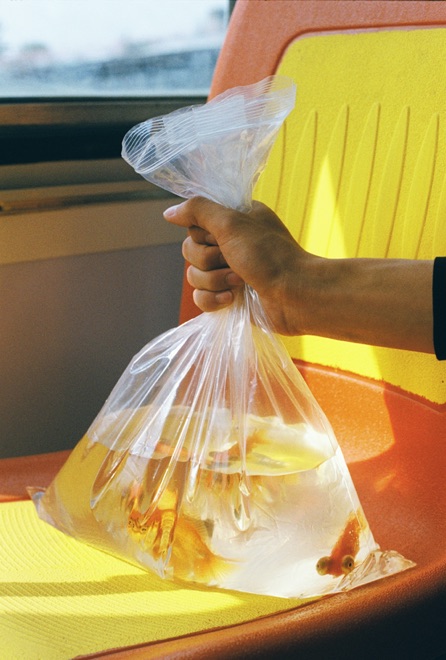
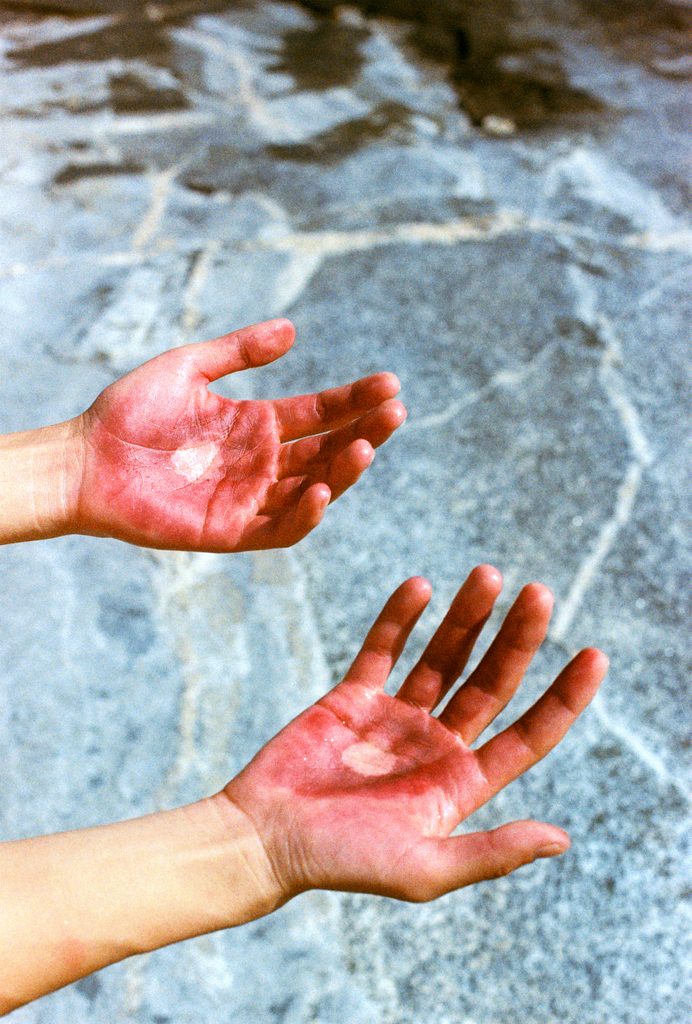
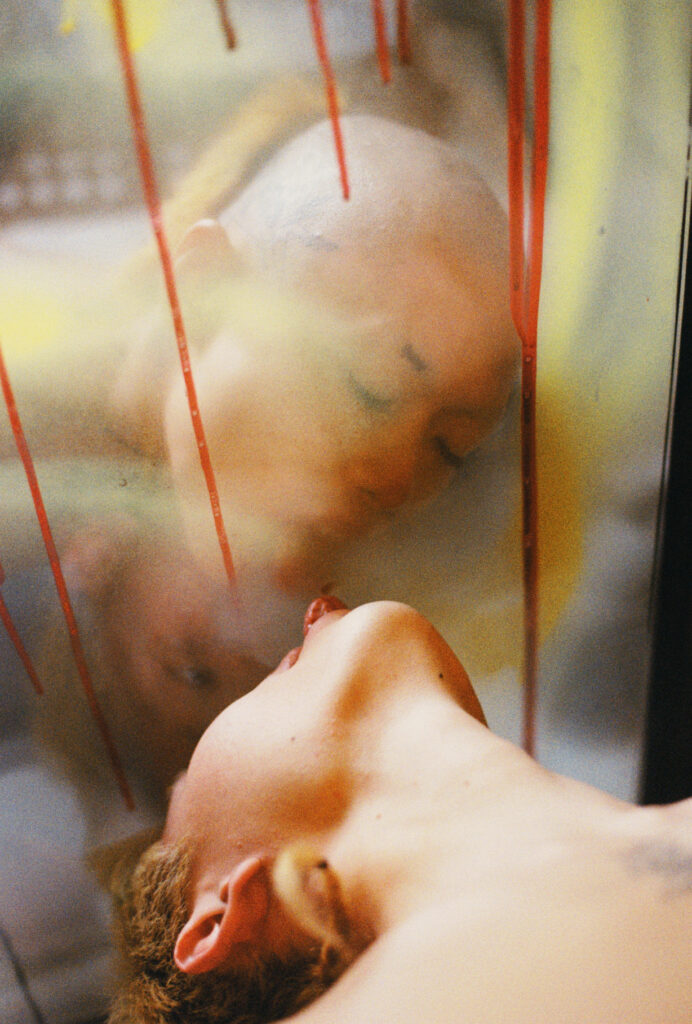
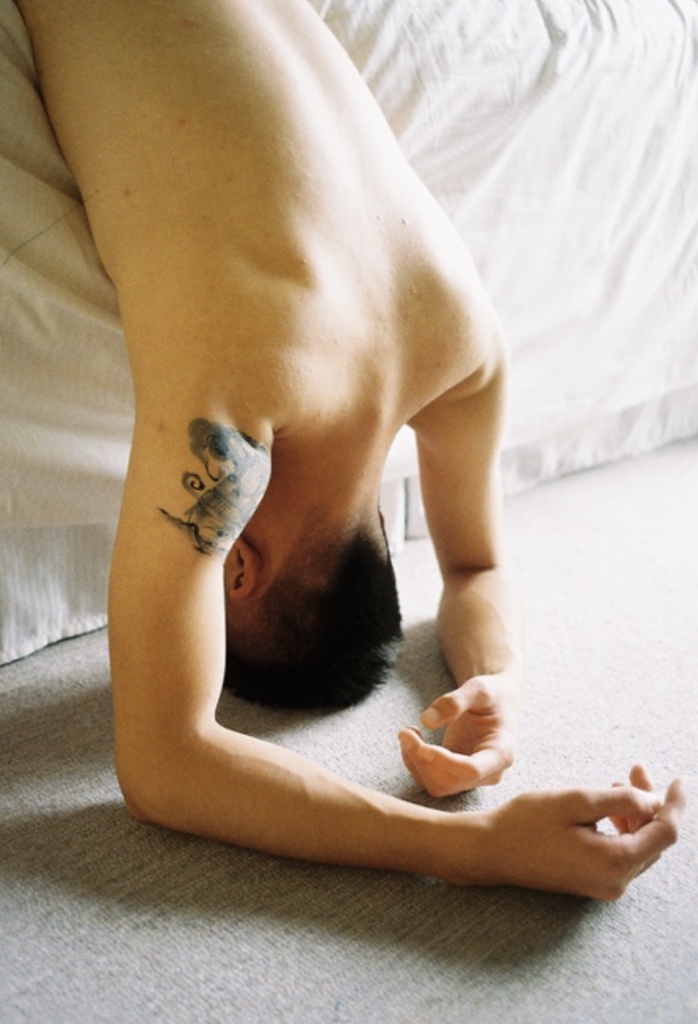
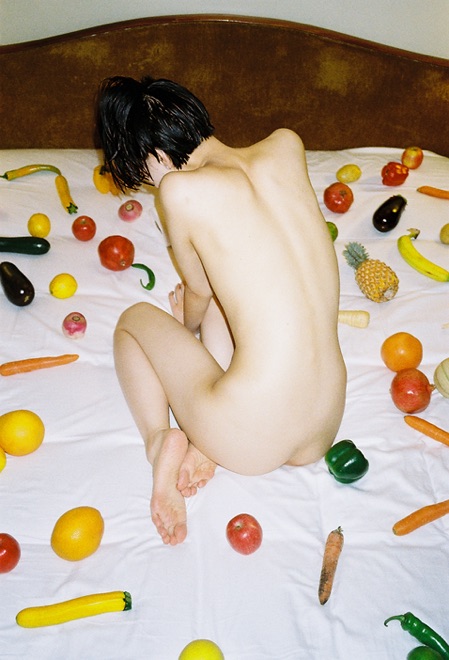
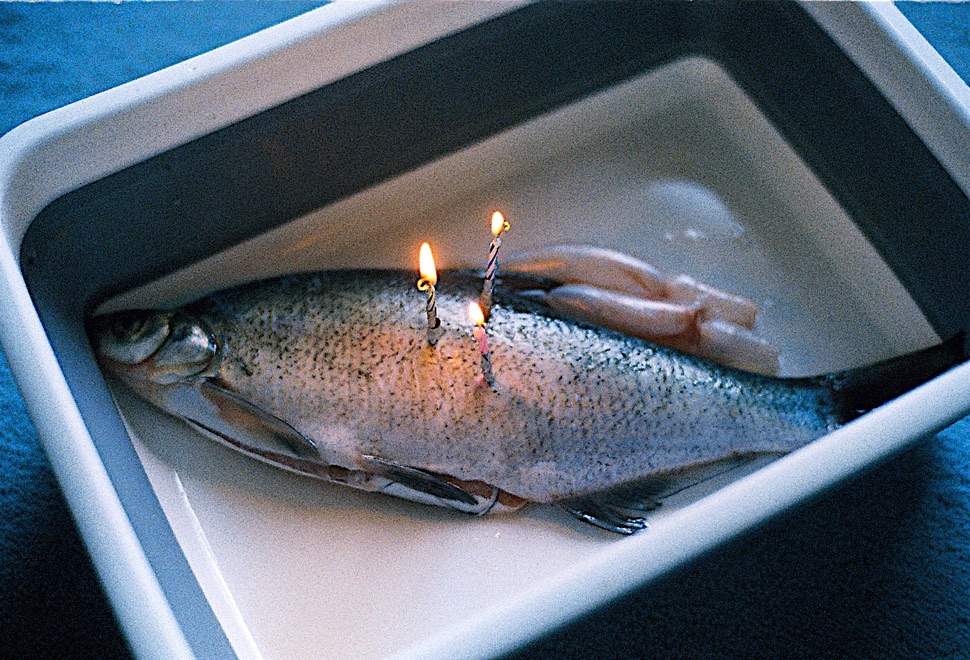
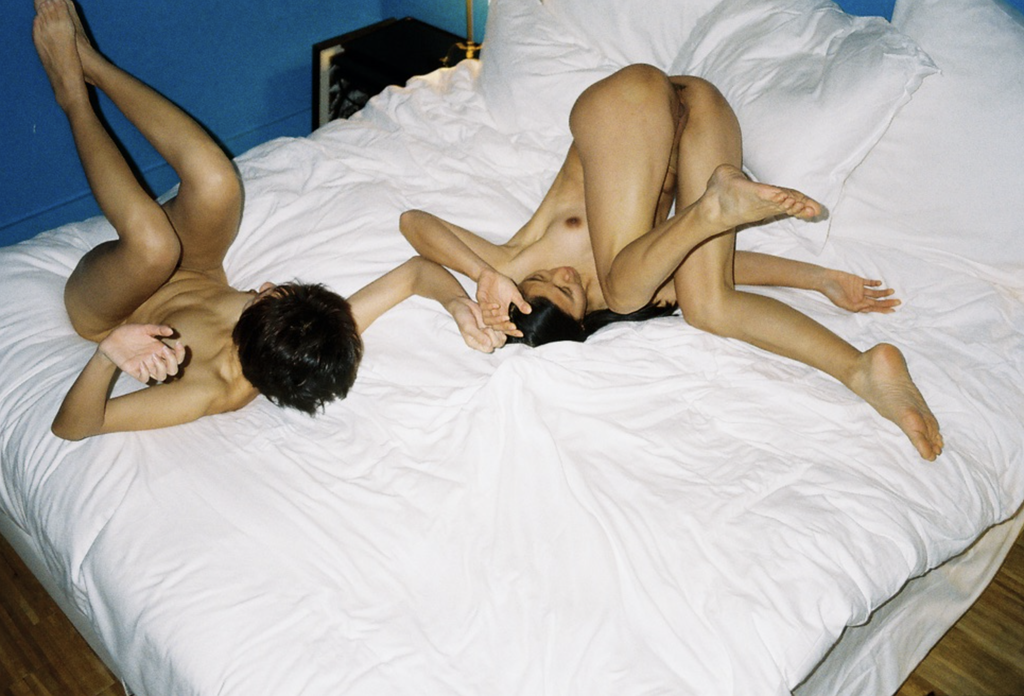
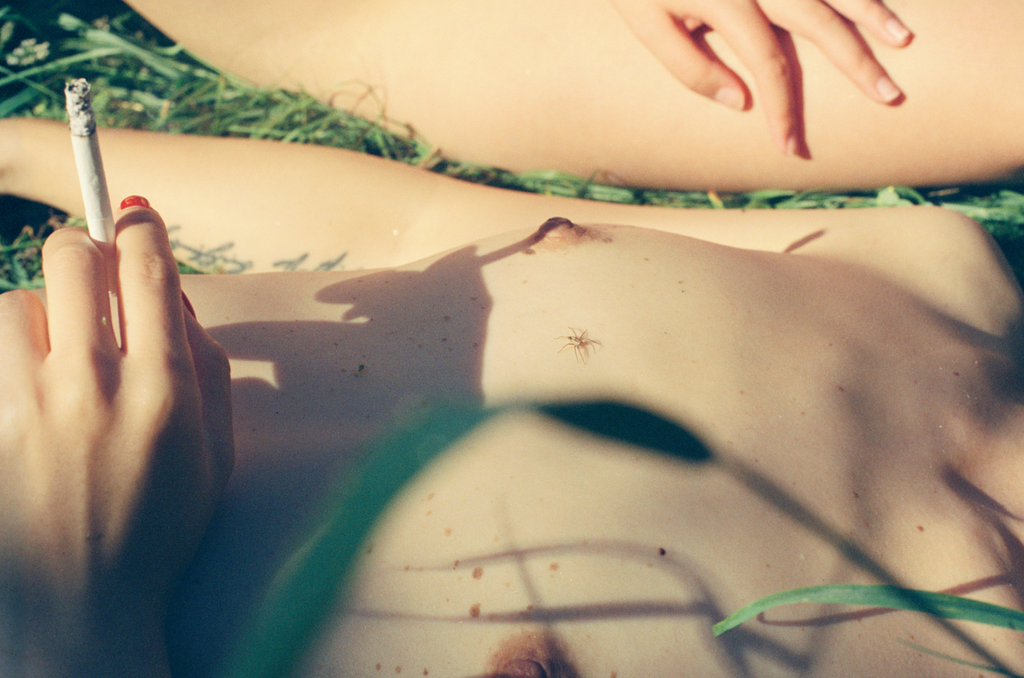
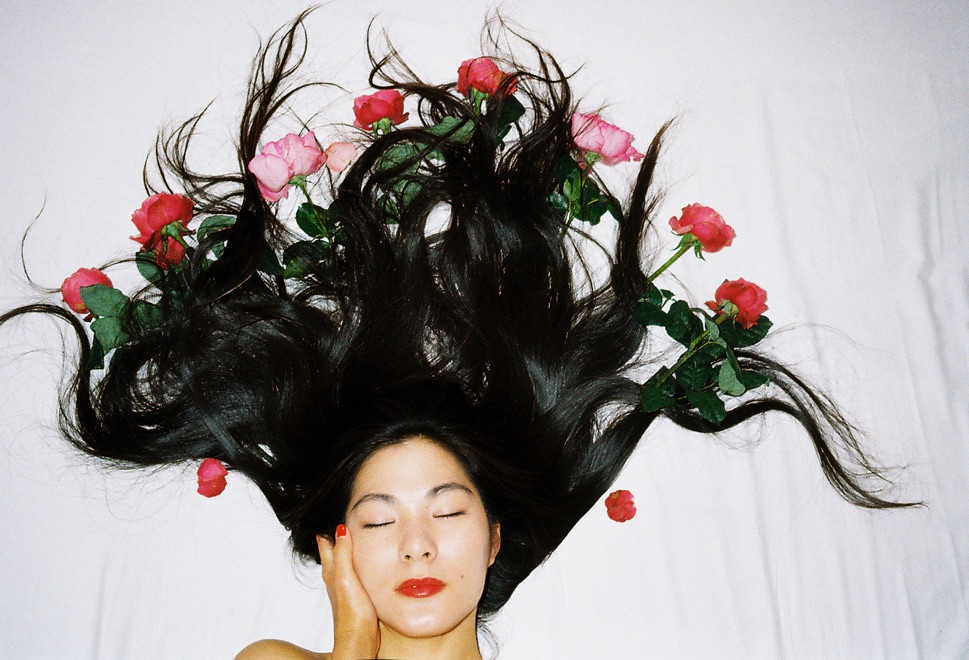
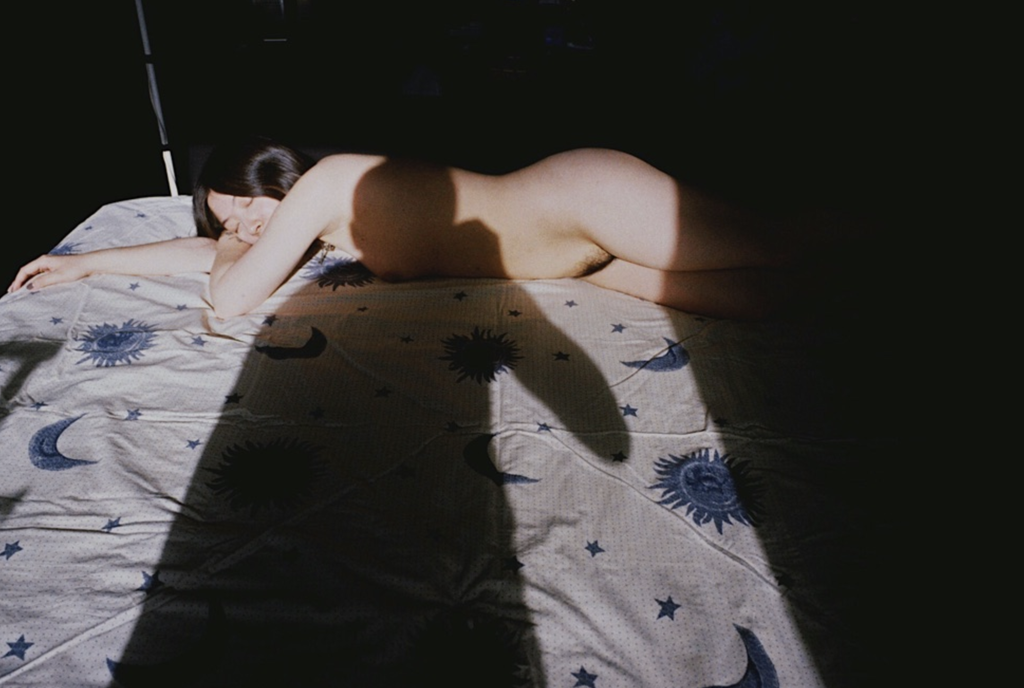
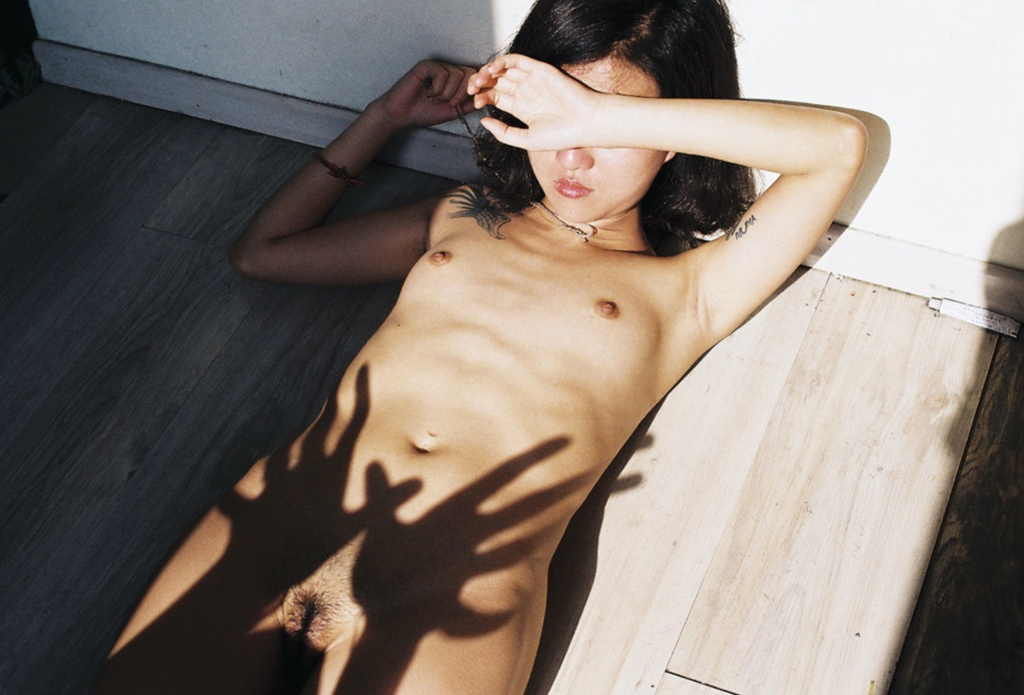
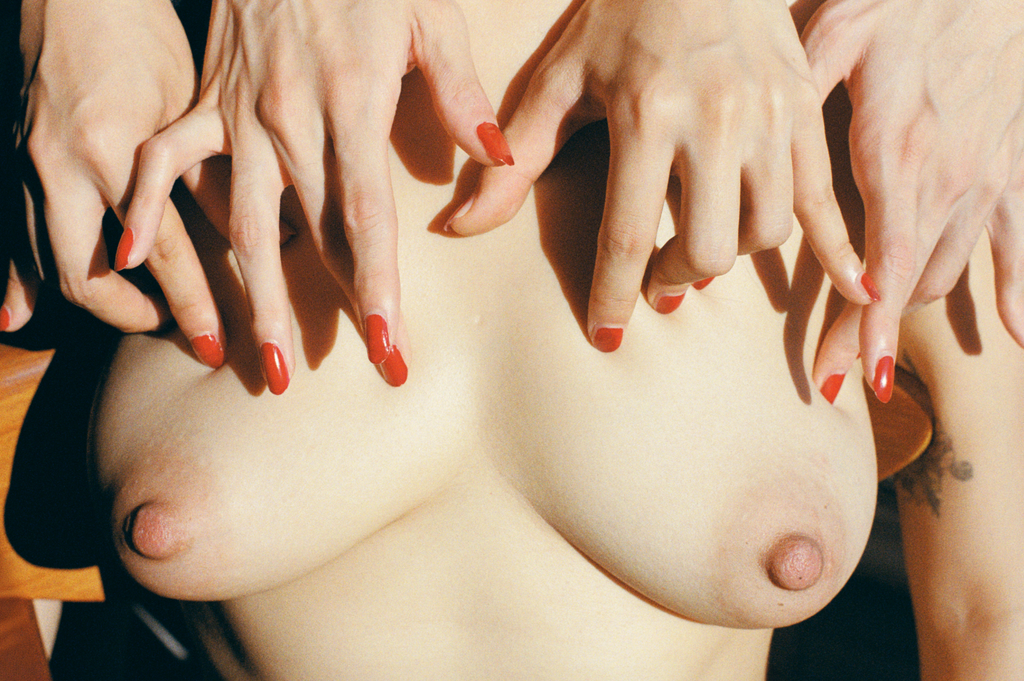
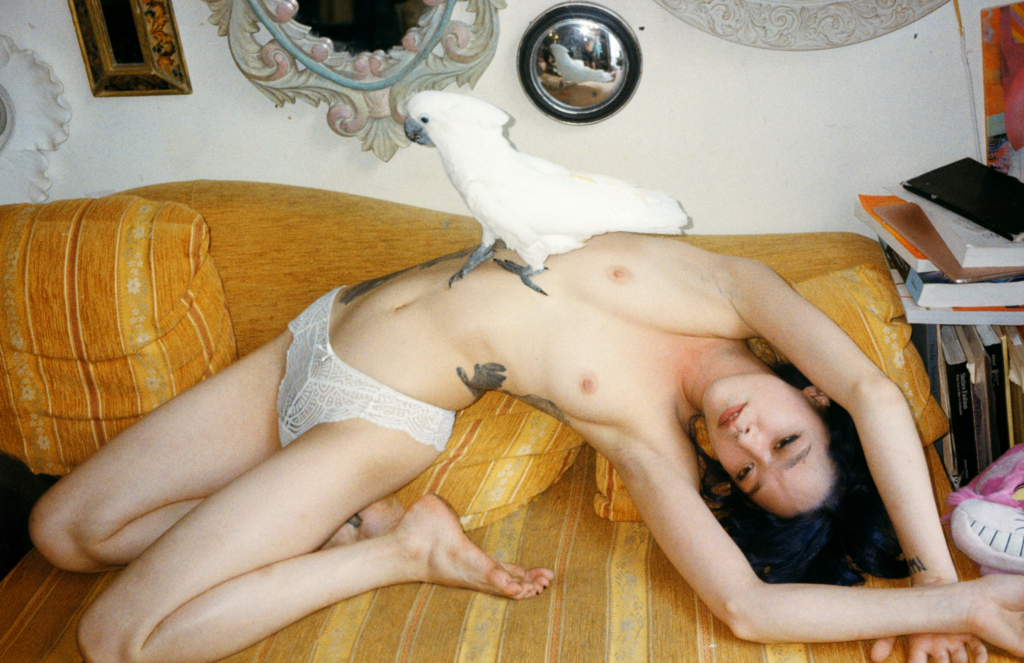
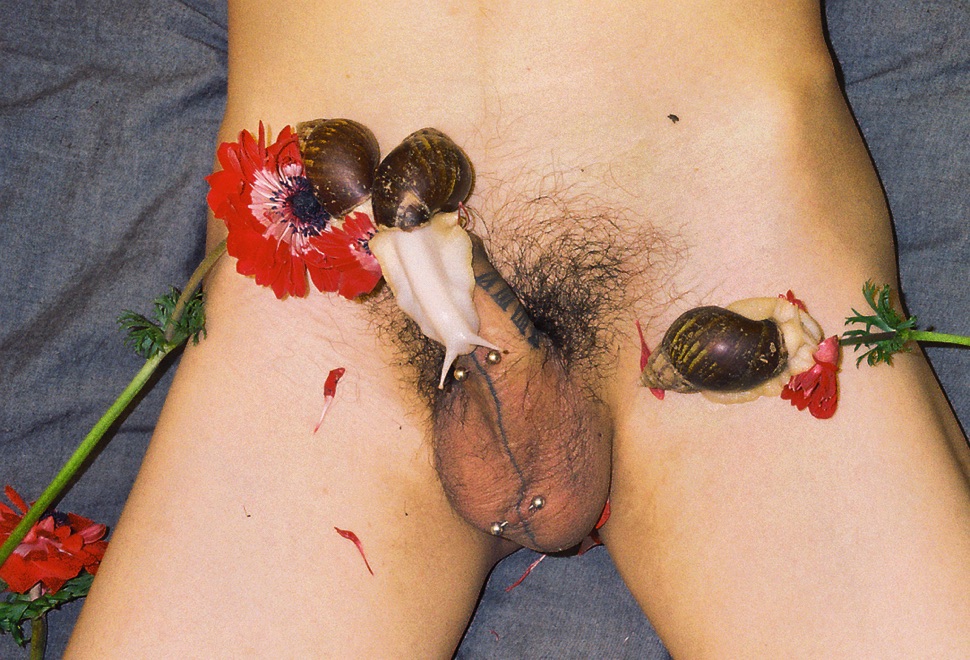
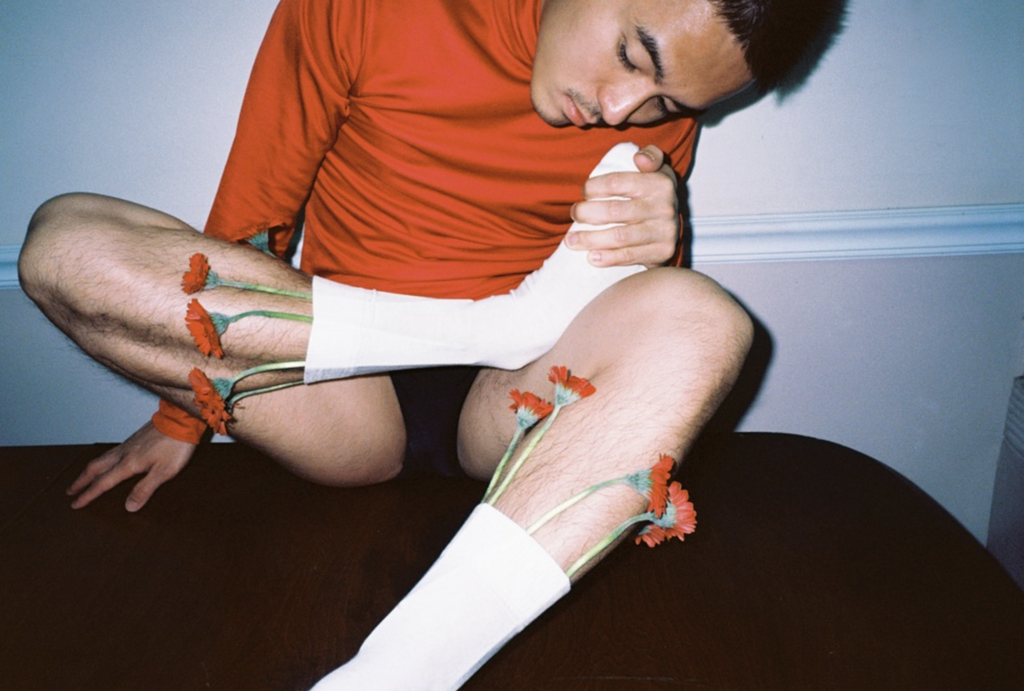
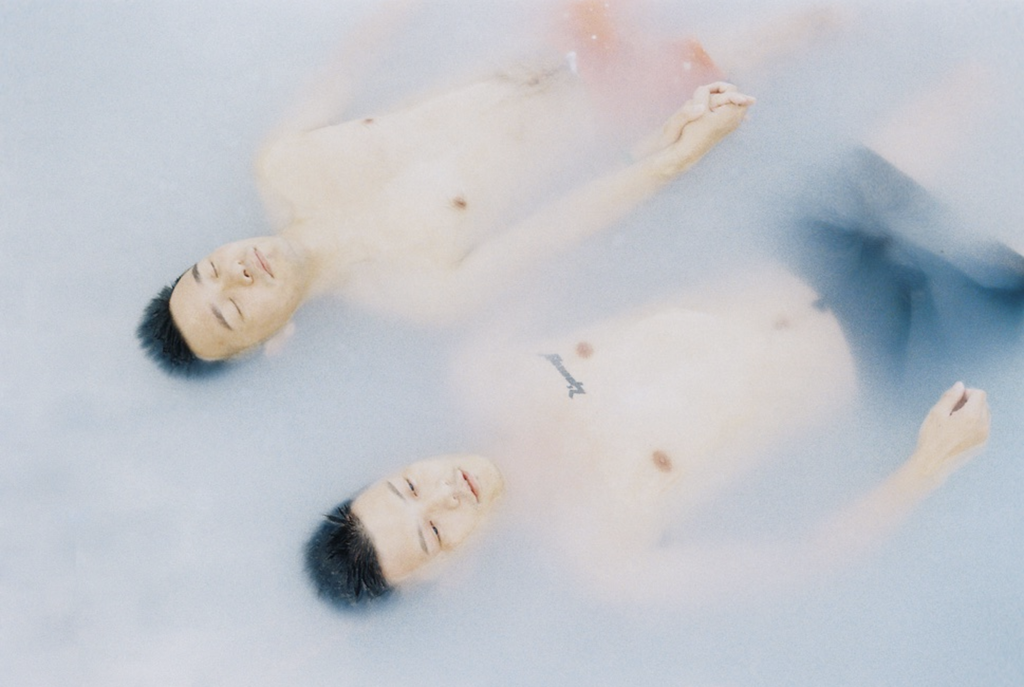
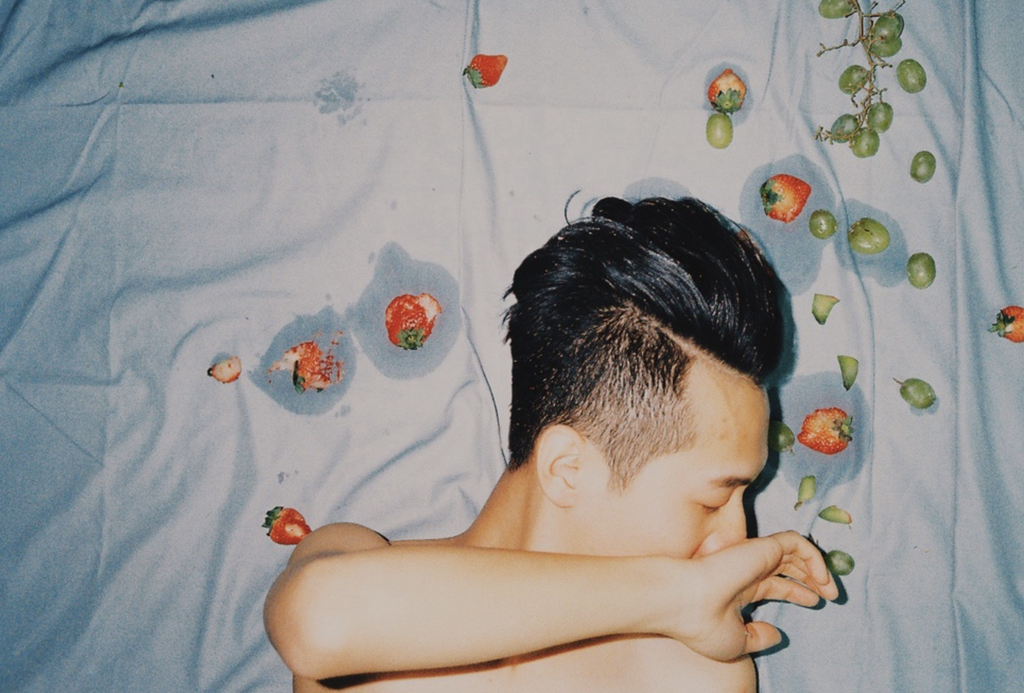
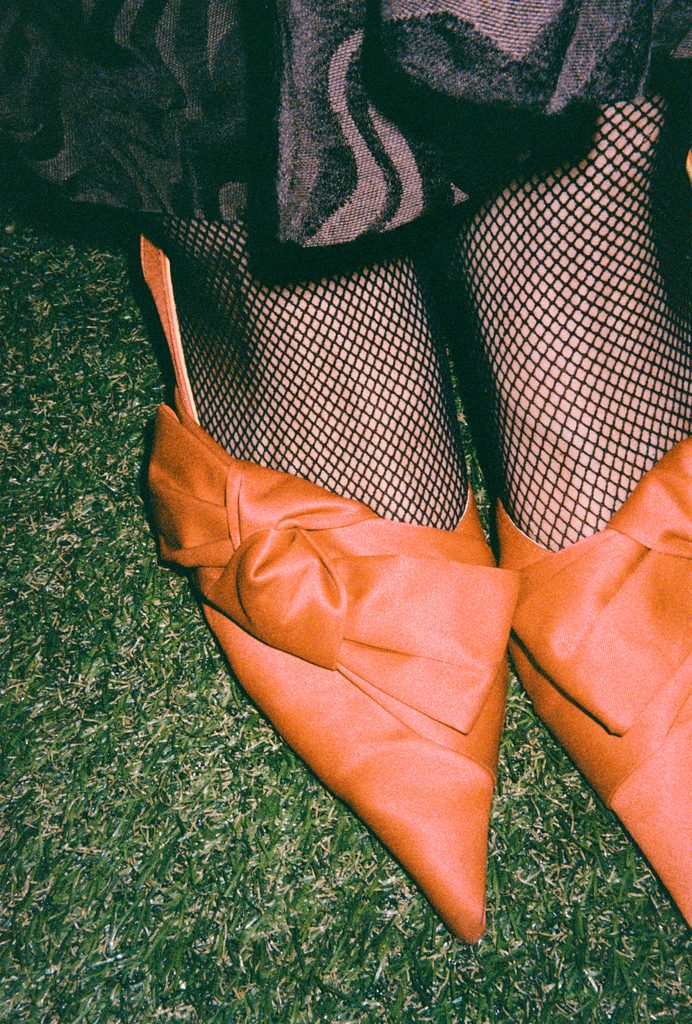
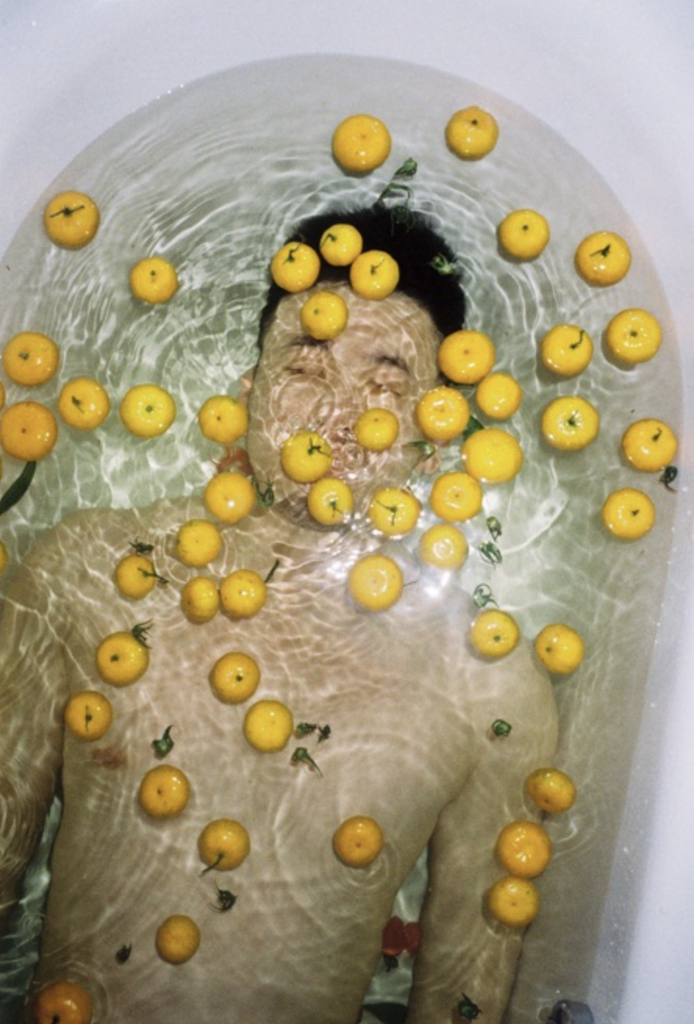
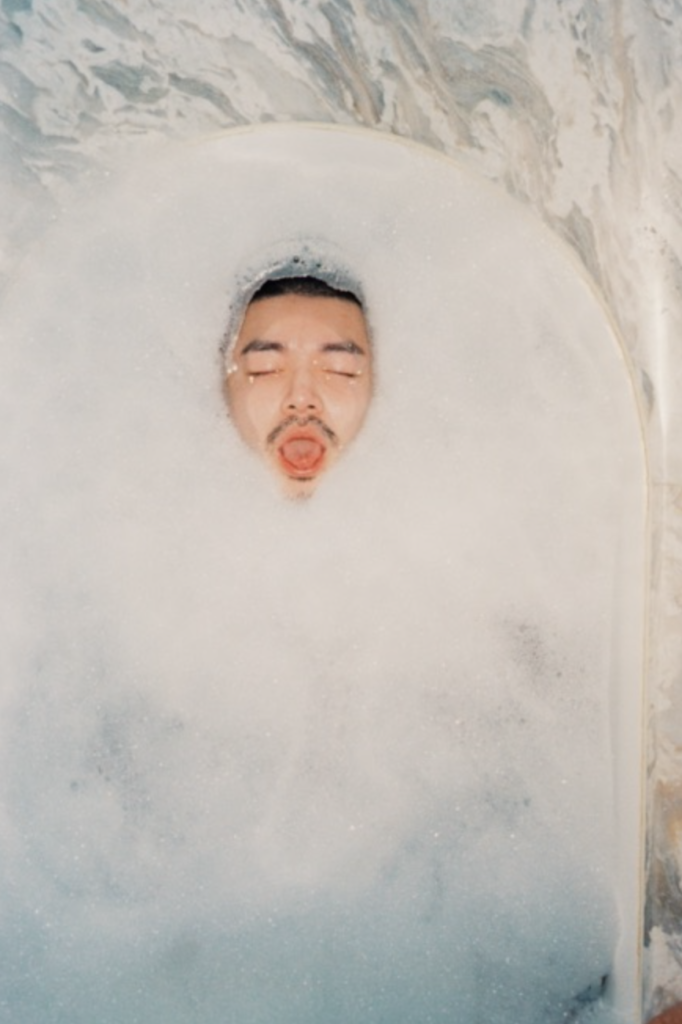
林志鵬(編號223)的照片裡,總有親密的身體、凌亂的房間、慾望、狂歡,以及某種直接而生猛的生命感。但這一次,我們從他長期累積的大量影像中,抽出另一條較少被注意的線索:那些身體來到邊緣、動作與故事卻還沒有真正完成的瞬間。有人漂在水裡,有人沉進浴缸;有人倒在床上,有人彼此纏繞;花束正在燃燒,水果散落在身體周圍,影子覆蓋皮膚,臉被水、光或另一具身體遮住。這些照片裡,很少有人真的在溺水。然而,「快要溺水」的感覺一直都在。
「差一點」並不只是某件事情沒有完成。
如果借用凱瑟琳.福勒(Catherine Fowler)對喬治.阿岡本(Giorgio Agamben)潛能性(potentiality)的討論來看,潛能並不是單純指向一個尚未發生的未來,而是一種已經存在、卻不必然需要被實現的能力。它同時包含「可以發生」與「也可以不發生」。從這個角度來看,影像的潛能性(the potentiality of the image),並不只是影像記錄了什麼,而是那些尚未被確定的意義,仍然可能在觀看之中不斷生成。
因此,「差一點」不是不完整。那個尚未成為結果的「要」,在影像中保留了不同理解與想像的可能。差一點沉下去,並不只是沒有溺水,而是影像讓我們同時想像沉沒與浮起的可能。差一點離開,也不只是離開沒有發生,而是照片中的關係仍然可能被理解成不同的樣子。即使事件早已結束,影像的意義卻未必因此被封閉。攝影恰好能夠保存這種開放性。快門按下之後,原本應該繼續發展的事件在影像中被截斷。水沒有在影像裡繼續淹上來,火沒有繼續燃燒,身體沒有真正墜落,親密也沒有被推向一個確定的結果。所有事情都停在那個尚未被決定的位置,讓影像仍然保有被重新觀看與理解的可能。
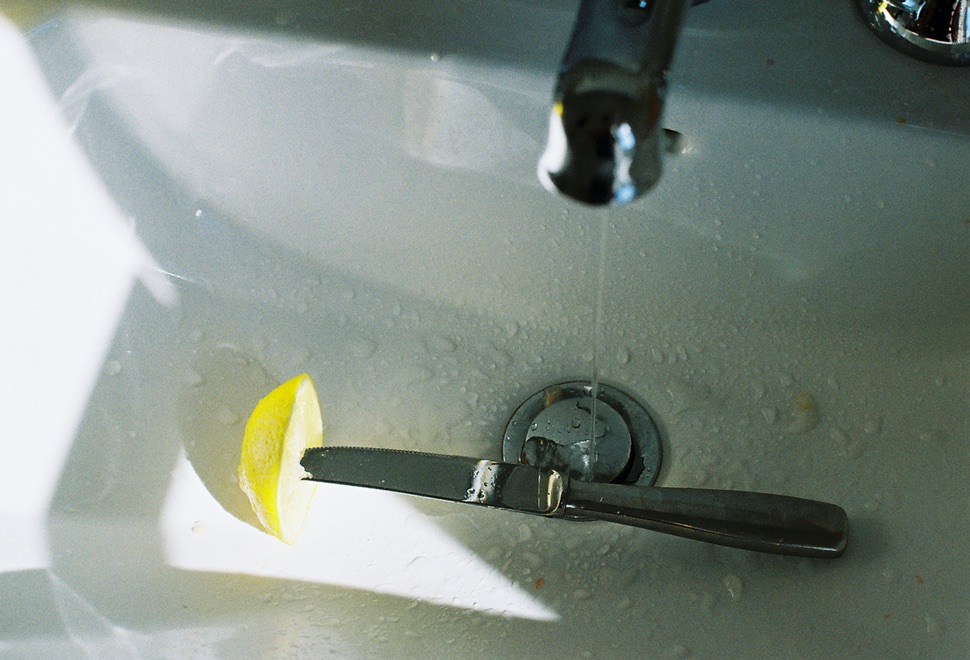
福勒所談的另一個概念,是靜止(stillness)。靜止並不只是缺少動作。恰恰相反,它也可能成為一種讓觀看得以延長的條件。當影像不急著告訴我們下一秒會發生什麼,觀者才開始有時間看得更久、更仔細。變化因此不一定只發生在影像裡,也可能發生在觀看之中。攝影本身就是一次對時間的截斷。一件正在發生的事情,在按下快門的瞬間,被迫脫離原來的時間流動。223的照片因此經常不是事件的高潮,也不是結果,而是某件事情正在形成、卻尚未完成的狀態。「未完成」不是照片之外缺少的一段故事,它本身就是影像的一部分。而這種「尚未被決定」,也存在於223長期使用的135底片裡。和能夠即時顯示結果的數位攝影不同,底片在快門按下之後,影像雖然已經留下,卻還沒有真正被看見。它必須經過沖洗、顯影,才能看見光線、顏色、顆粒與偶然留下的痕跡。
拍攝已經完成。但影像的結果仍然未知。在223的攝影裡,「差一點」因此不只發生在照片中的身體,也存在於攝影的過程。快門按下的那一刻,拍攝已經發生,但影像尚未被看見。影像在拍攝與顯影之間,經歷了一段尚未被看見的時間。就像那些漂浮、墜落、擁抱或閉上眼睛的身體一樣,暫時停留在無法確認結果的位置。而當照片終於顯現,它的意義也不因此獲得確定。那些沒有出現在影像裡的可能,仍然可以在觀看之中不斷被想像與重新理解。
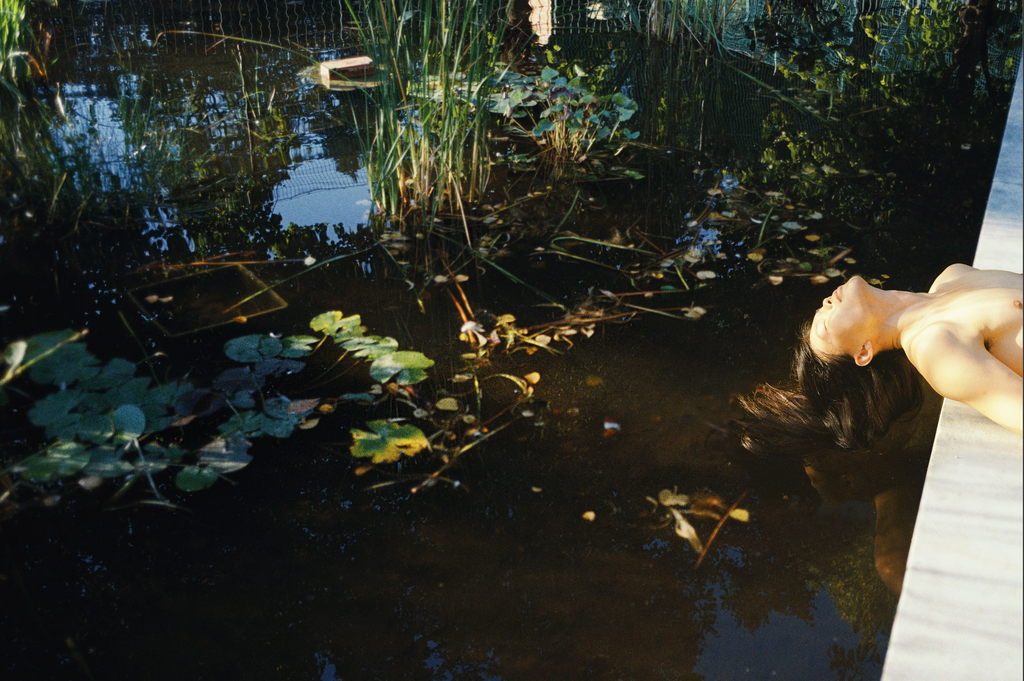
但攝影的曖昧不只來自時間被截斷,也來自某些東西始終沒有完全顯現。福勒以未完全顯現(obscurity)討論影像如何一方面引導觀者尋找那些難以被感知的事物,另一方面又遮蔽原本以為應該被看見的東西。某些事情一直存在,卻始終沒有完全被揭露。223的照片也經常把觀看停留在這個位置。它們很少告訴我們「到底發生了什麼」。臉可能被水遮住、被光切斷、被另一具身體覆蓋;動作沒有明確的前因,也沒有確定的後果,甚至連情緒都沒有被說清楚。危險和平靜因此可以同時存在。親密可能下一秒變成擁擠,放鬆也可能接近失重,狂歡之後留下的可能是空虛,也可能只是一段短暫的安靜。
於是,當我們盯著一張照片看久一點,會開始分不清自己真正看見的是什麼。那是一個人在休息,還是在下沉?是一個擁抱,還是一種壓迫?是高潮之後的鬆弛,還是某種失去意識以前的空白?攝影沒有替我們解決這些問題。它只是把那個瞬間留在那裡。也正因為影像沒有完全說清楚,觀看才得以繼續。《差一點要溺水了》想觀看的,因此並不是「溺水」本身,而是那些被影像留在結果出現以前、仍然懸而未決的時刻。?
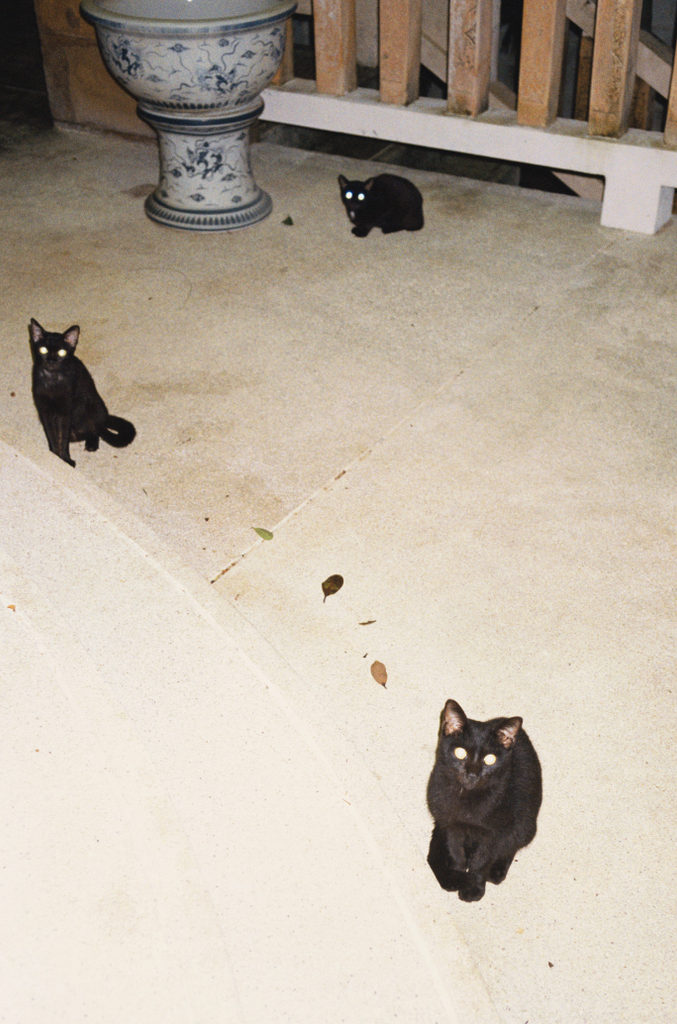
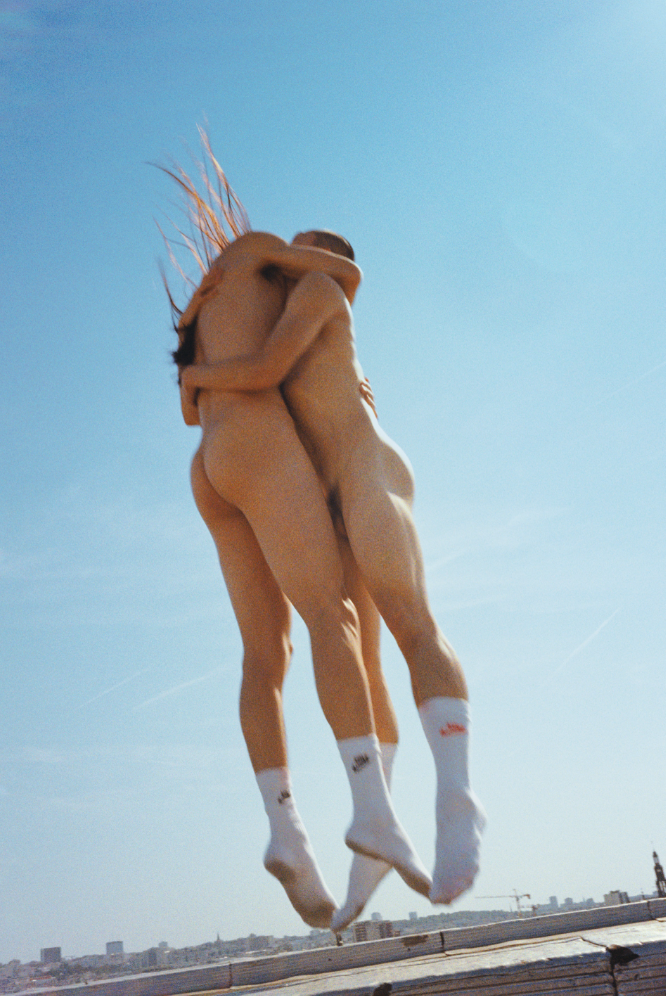
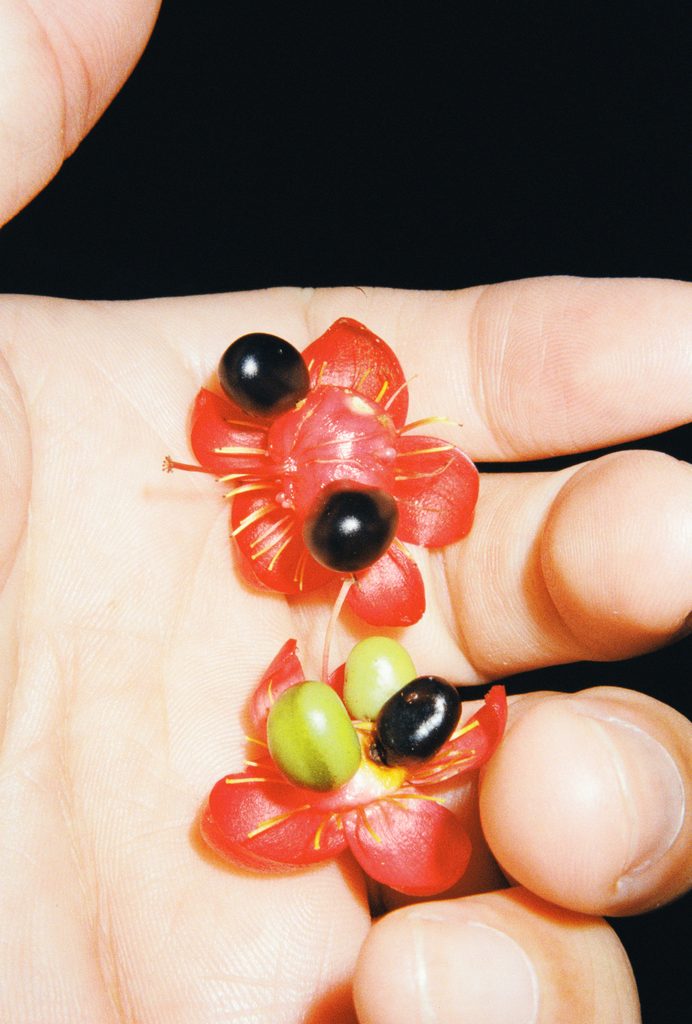
我們經常把生活理解成一連串已經完成的事件:相遇、戀愛、分開、成功、失敗、失去。但更多時候,我們其實活在尚未完成的時刻裡。我們不知道下一秒會發生什麼,也不知道此刻正在經歷的事情,最後會被理解成什麼。所以,「差一點」不是一個失敗的結果,而是一個還沒有被關上的時刻。它不是可能性不足,反而是可能性仍然存在。在這些影像裡,身體還沒有真正沉下去,所以仍然可能浮上來;關係還沒有走到盡頭,所以仍然可能改變;那口氣還沒有完全耗盡,因此呼吸也仍然存在。
當照片替這些瞬間停住,站在照片前的我們,反而重新意識到自己的呼吸。於是,觀看變成一種很微小的交換:影像停止了,可能性卻沒有。影像把時間留在「差一點」的位置,而我們,在它面前繼續呼吸。《差一點要溺水了》不是一個關於痛苦的展覽,也不是一個關於療癒的展覽。它比較像是在觀看那些還沒有被決定的人生片刻。那些差一點沉下去,卻還沒有沉下去的時候。那些事情還可以變成別的樣子的時候。
——————————————————
關於|林志鵬 (編號223) ©
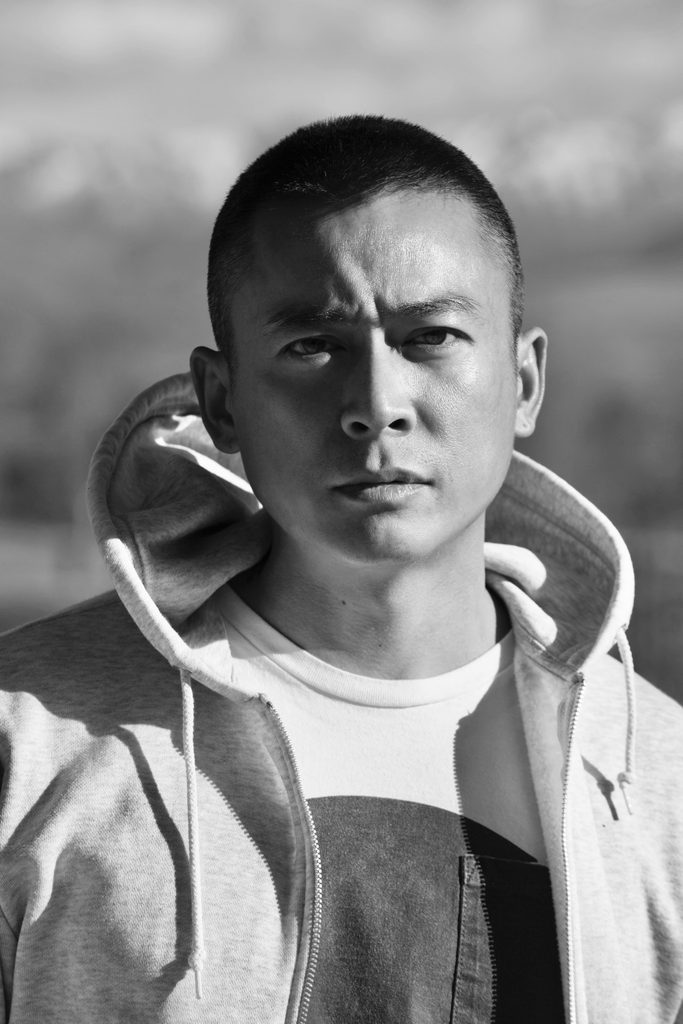
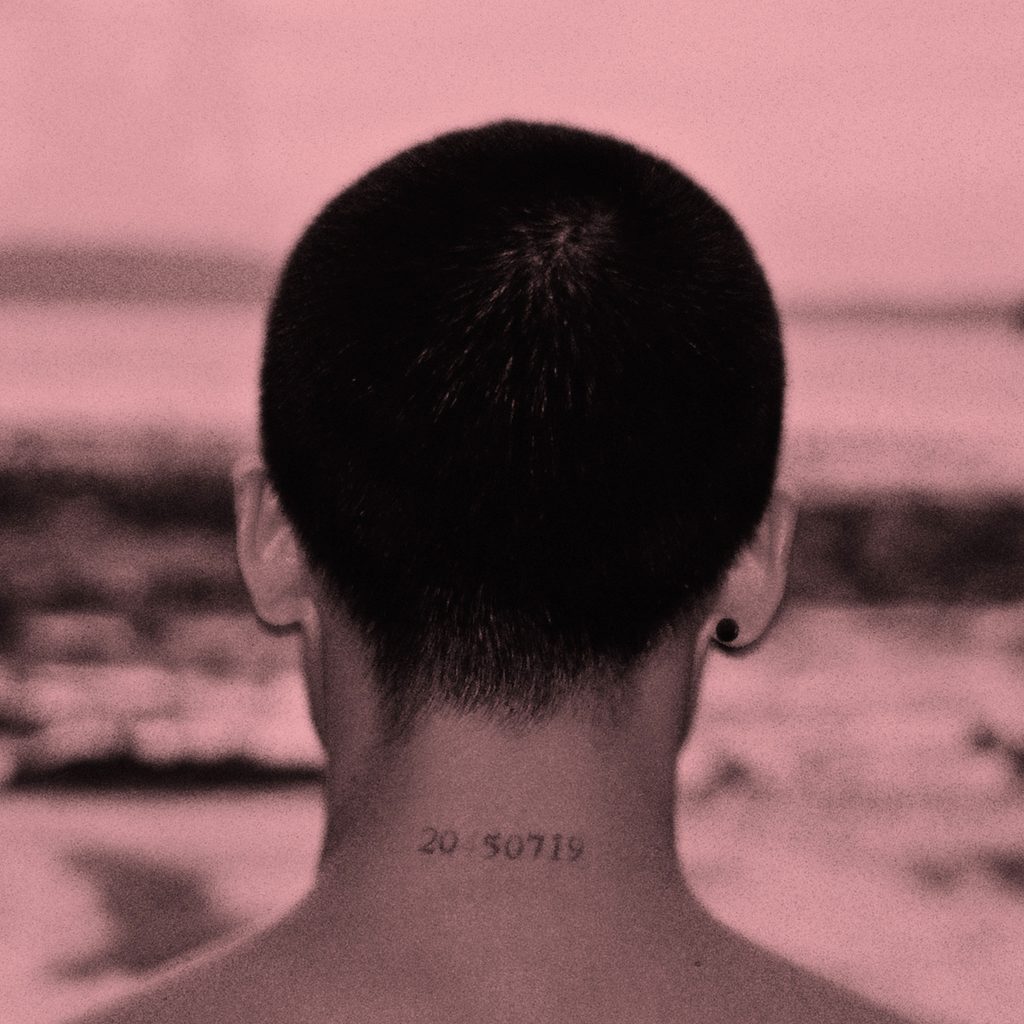
林志鵬,1979 年出生於中國廣東,畢業於廣東外語外貿大學金融英語專業,現居北京,從事攝影與自由寫作。以「編號223」之名進行攝影創作。這個名字取自王家衛電影《重慶森林》中編號223的警察,也成為他二十多年創作生涯中持續使用的身份。作品視覺風格多遊走於親密與疏離、自由和失序、日常以及荒謬之間,曾於 Unseen Amsterdam、Paris Photo、Photo Basel 等國際藝術博覽會展出,並於紐約 ICP、巴黎 MEP 歐洲攝影館、西澳美術館等重要機構呈現。
2003 年,他創立個人部落格「北緯23度」(North Latitude 23),在其中發表日常生活照片及短文。該部落格獲得數百萬次瀏覽,使他在網路社群中廣受關注。多年來,林志鵬持續參與中國及海外群展,其作品亦先後於中國及世界各地舉辦個展,包括美國特拉華當代藝術館(The Delaware Contemporary)、德國 The Walther Collection、北京德薩畫廊(DE SARTHE)、比利時安特衛普 Stieglitz19 Gallery、上海 M97 Gallery 等。他亦曾於中國、法國、加拿大、日本、義大利及挪威出版攝影書。
林志鵬是近年中國新攝影的重要代表人物之一。早期透過社群媒體、網路平台及自主出版的 zine 推廣作品,其創作逐漸反映並形塑中國「80後」與「90後」非主流青年世代的某種時代精神。
褪色的花朵與肌膚色調彼此糾纏,各種繁複圖樣交織著愛與混亂、幻想與情色之間曖昧不明的情感。No.223 的作品充滿柔軟而無拘束的自由感、遊戲般的純真,以及某種樂觀氣息;這種享樂式的生活態度,也偏離了中產階級生活夢想所預設的愉悅與束縛。
在林志鵬的作品裡,一切都帶有鮮明而堅定的流行文化誘惑。色彩、形狀、質地及構圖,都反映出由大量影像、身體與符號所形塑的視覺文化,而這些元素也標誌著人們進入新千禧年後的視覺經驗。
不同於對「影像過度消費」或「影像飽和」的傳統批判,林志鵬的攝影反而歌頌其世代的生命力,並從自身生活及周遭人物的呈現開始。愛與混亂、幻想與情色在影像中交錯,使他的攝影如同一部屬於整個世代的集體詩意日記:一個渴望逃離社會壓力,並在既冷漠又快速變動的社會中追求生活愉悅的世代。
——————————————————
Almost Drowning: Lin Zhipeng|No. 223 Solo Exhibition
Text/Curator|Andy Yen
There are many things in life that we remember most vividly not after they have happened, but in the moment just before they almost happen.
Almost sinking.
Almost losing balance.
Almost running out of breath.
Almost getting too close.
Almost leaving, and almost beginning again.
Every day, we rush to catch trains, go to work, reply to messages, and navigate countless invisible expectations, moving back and forth between relationships that feel either too close or too distant. Sometimes, nothing particularly serious has happened, yet the body seems to know something before we do: a sudden tightness in the chest, a shortening of breath, as though we were slowly sinking underwater.
The photographs of Lin Zhipeng (No. 223) are filled with intimate bodies, untidy rooms, desire, revelry, and a raw, immediate sense of life. This time, however, we trace a less frequently noticed thread through his extensive body of work: moments when bodies approach a threshold, when gestures and stories have not yet reached their conclusion. Someone floats in the water; someone sinks into a bathtub. Someone lies on a bed; others become entangled. A bouquet is burning, fruit is scattered around bodies, shadows fall across skin, and faces disappear behind water, light, or another body. Few people in these photographs are actually drowning. Yet the sensation of being on the verge of drowning is always present.
“Almost” does not simply mean that something has remained unfinished.
Drawing on Catherine Fowler’s discussion of Giorgio Agamben’s concept of potentiality, potentiality does not merely point toward a future event that has yet to occur. Rather, it refers to a capacity that already exists but does not necessarily have to be realized. It encompasses both the capacity for something to happen and the capacity for it not to happen.
From this perspective, the potentiality of the image lies not simply in what it records, but in the meanings that remain undetermined and may continue to emerge through the act of looking. In this sense, “almost” is not a state of incompleteness. The sense of imminence it carries, before anything becomes a definitive outcome, is precisely what allows other possibilities to remain. Almost sinking does not simply mean that drowning has been avoided. It also means that the body might still rise to the surface. Almost leaving does not merely mean that departure never took place, but that a relationship might still develop in another direction. Nothing has been entirely settled. Things can still become something else. Photography has a particular ability to preserve this condition. Once the shutter is released, an event that would otherwise continue unfolding is interrupted within the image. The water does not rise any further, the fire does not continue to burn, the body does not complete its fall, and intimacy is not carried toward any definite conclusion. Everything remains suspended at a point where the outcome has yet to be determined.
Another concept Fowler discusses is stillness. Stillness is not simply the absence of movement. On the contrary, it can create the conditions for looking to be prolonged. When an image does not rush to tell us what happens next, viewers are given time to look longer and more closely. Change, then, does not necessarily occur within the image itself. It may also take place in the act of looking. Photography itself interrupts the flow of time. At the moment the shutter is released, something in the process of happening is separated from its original temporal continuity. No. 223’s photographs are therefore often neither the climax of an event nor its conclusion, but moments in which something is taking shape without yet being complete. The “unfinished” is not simply a missing part of the story beyond the photograph. It is part of the image itself. This sense of the “not yet determined” is also present in No. 223’s longstanding use of 35mm film. Unlike digital photography, which allows images to be viewed immediately, film retains an image after the shutter has been released, even though that image has not yet become visible. It must undergo processing and development before its light, colors, grain, and accidental traces can be seen.
The photograph has been taken. But its outcome remains unknown. In No. 223’s photography, “almost” therefore exists not only in the bodies depicted but also in the photographic process itself. At the moment the shutter is released, one thing has already happened, while another has yet to be completed. Between exposure and development, the image passes through a period in which it remains unseen. Like the bodies floating, falling, embracing, or closing their eyes, it temporarily occupies a position where the outcome cannot yet be confirmed. What a photograph preserves, then, is not simply a record of “what happened.” It also allows possibilities that remain outside the frame to persist in the act of looking.
Yet the ambiguity of photography comes not only from its interruption of time. It also arises from what never becomes fully visible. Fowler uses the concept of obscurity to explore how images can direct viewers toward things that are difficult to perceive, while simultaneously concealing what we might expect to see. Certain things remain present, yet are never completely revealed. No. 223’s photographs often hold our gaze in precisely this position. They rarely tell us “what exactly happened.” A face may be hidden by water, cut across by light, or covered by another body. Gestures have no clear beginning or definite consequence, and even emotions remain unspecified. Danger and tranquility can therefore coexist. Intimacy might turn into confinement in the next moment; relaxation might verge on weightlessness. What follows a moment of revelry might be emptiness, or simply a brief interval of quiet.
And so, when we look at a photograph for a little longer, we may begin to lose our certainty about what we are actually seeing. Is someone resting, or sinking? Is this an embrace, or a form of pressure? Is it the relaxation that follows a climax, or the blankness just before losing consciousness? Photography does not resolve these questions for us. It simply leaves the moment there. And precisely because the image does not reveal everything, looking can continue. What Almost Drowning seeks to explore, then, is not drowning itself, but those suspended moments before an outcome becomes apparent.
We often understand life as a sequence of completed events: meeting, falling in love, separating, succeeding, failing, losing. Yet much of the time, we are actually living within moments that remain unfinished. We do not know what will happen next, nor do we know how what we are experiencing now will eventually come to be understood. “Almost,” then, is not a failed outcome. It is a moment that has not yet closed. It is not a lack of possibility, but the persistence of possibility itself. In these images, the body has not entirely sunk, and so it might still rise; a relationship has not reached its end, and so it might still change; the last breath has not been exhausted, and so breathing continues.
As the photograph holds these moments still, we, standing before it, become newly aware of our own breathing. Looking thus becomes a small exchange: the image has stopped, but possibility has not. The image holds time at the point of “almost,” while we continue to breathe before it. Almost Drowning is not an exhibition about suffering, nor is it an exhibition about healing. It is, rather, an attempt to look at those moments in life that have not yet been decided. Those moments when we almost sink, but have not yet sunk. Those moments when things might still become something else.
——————————————————
About Artist Lin Zhipeng (aka No.223)
Lin Zhipeng (aka No.223) was born in Guangdong, China, in 1979. He graduated from Guangdong University of Foreign Studies with a major in Financial English. Lin Zhipeng is a photographer and freelance writer based in Beijing.
Created in 2003, his blog North Latitude 23, where he published everyday photographs accompanied by short texts, received millions of views and brought him widespread recognition within the online community.
Presented for years in group exhibitions in China and abroad, Lin’s works have also been the subject of numerous solo exhibitions nationally and internationally, including at The Delaware Contemporary; The Walther Collection, Neu-Ulm; DE SARTHE, Beijing; Stieglitz19 Gallery, Antwerp; and M97 Gallery, Shanghai, among others. He has published photography books in China, France, Canada, Japan, Italy, and Norway.
Lin is a leading figure of a new generation of Chinese photography, initially popularizing his work through social media and other online platforms, as well as through self-published zines. His work has come to reflect and define a certain zeitgeist of the post-80s and post-90s generations of non-mainstream Chinese youth.
Faded flowers tangled with flesh tones, myriad patterns mixing with an emotional ambiguity of both love and chaos, fantasy and eroticism. No.223’s works are saturated with a soft sense of carefreeness, playful innocence, and a certain optimism amid a hedonistic lifestyle that runs against the expected pleasures and entrapments of the middle-class dream.
With Lin Zhipeng, everything is tinged with a resolutely pop seduction. The colours, shapes, textures, and framing he employs are all symptomatic of a visual culture shaped by the flow of images, bodies, and symbols that have marked our entry into the second millennium.
Far from the traditional and unconstructive criticism of an “overconsumption” or “saturation” of images, Lin’s photographs celebrate the vitality of his generation, beginning with the staging of his own life and that of his entourage. Mixing love and chaos, fantasy and eroticism, his photographs act as the collective poetic diary of a generation eager to escape social pressures and aspire to the pleasures of life within a society that is as indifferent as it is rapidly evolving.

